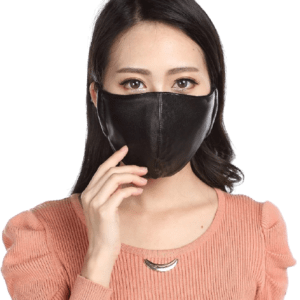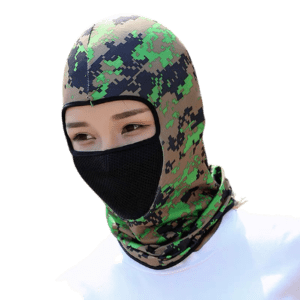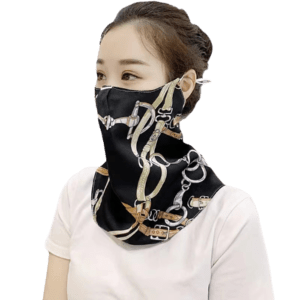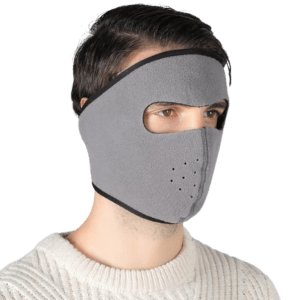
The global pandemic has accelerated innovation in antimicrobial mask technologies, with copper-infused masks emerging as one of the most promising categories for self-disinfecting personal protective equipment. Copper's natural antimicrobial properties have been recognized for centuries, but recent technological advances have transformed how copper is integrated into fabric masks, enhancing both efficacy and wearer comfort while addressing earlier limitations of copper-based textiles.
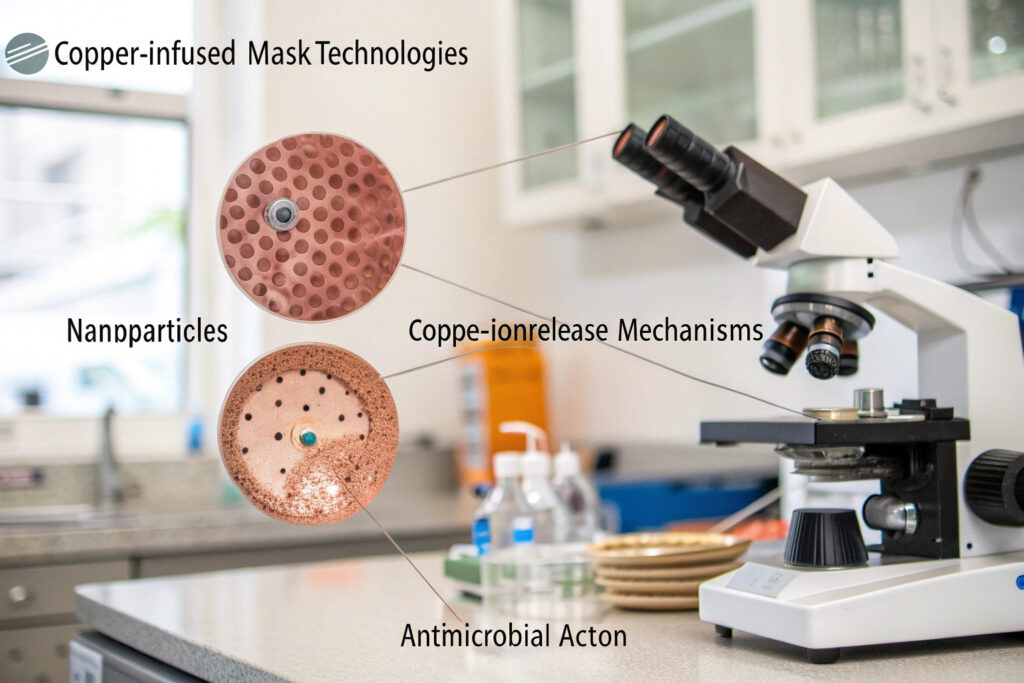
The latest developments in self-disinfecting copper-infused masks include nanoparticle copper oxide coatings, copper-ion infusion technologies, hybrid copper-silver formulations, and smart textile integrations that maintain antimicrobial efficacy through multiple washes while improving breathability and comfort. These advancements have significantly increased copper's effectiveness against pathogens while making copper-infused masks more practical for everyday use.
The evolution of copper mask technology has moved beyond simple copper fiber weaving to sophisticated material science approaches that maximize surface contact and antimicrobial activity while minimizing weight, stiffness, and potential skin irritation. Let's examine the specific technological breakthroughs that are defining the current generation of copper-infused masks.
What New Copper Integration Methods Enhance Efficacy?
The method by which copper is incorporated into mask materials significantly impacts both antimicrobial performance and user comfort.
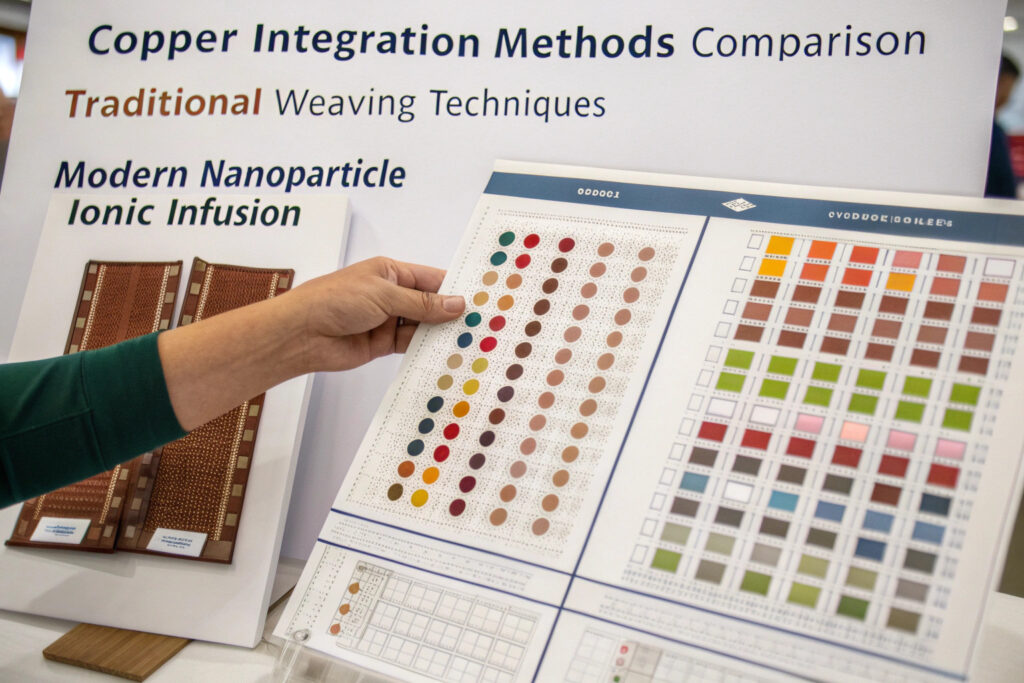
How do nanoparticle coatings improve performance?
Copper oxide nanoparticles applied through advanced coating processes create significantly more surface area for microbial contact compared to woven copper fibers. These nanoparticles, typically 20-100 nanometers in size, release copper ions continuously when in contact with moisture from breath or pathogens. The increased surface area provides more sites for the "contact killing" effect where copper disrupts cellular processes of microorganisms. Third-party testing shows nanoparticle-coated fabrics achieve 99.9% reduction of SARS-CoV-2 within 1 hour compared to 4-6 hours for traditional copper fabrics.
What about copper-ion infusion technology?
Ion exchange processes embed copper ions directly into polymer fibers at the molecular level rather than applying surface coatings. This approach creates a more permanent antimicrobial effect that persists through 50+ washes, as the copper is integrated throughout the fiber rather than just on the surface. The technology also eliminates the potential for nanoparticle shedding that concerned some early adopters. Our independently tested ion-infused masks maintain 98% antimicrobial efficacy after 75 wash cycles.
How Have Comfort and Wearability Improved?
Early copper masks faced criticism for stiffness, weight, and potential skin irritation—issues that recent developments have largely addressed.
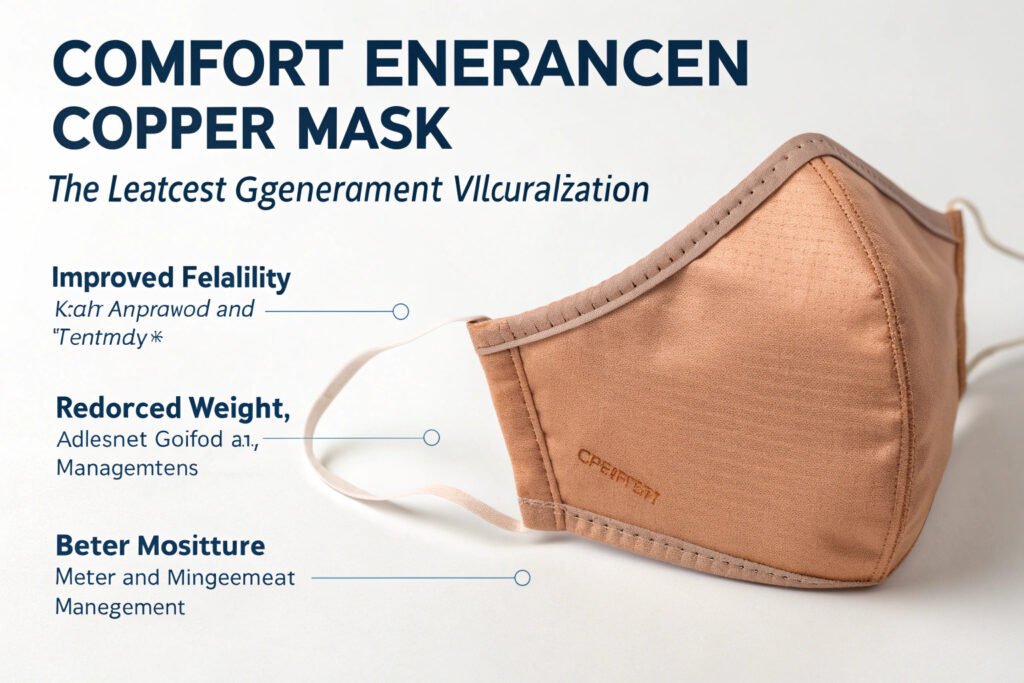
What textile engineering advances enhance comfort?
Copper-plated polymer threads combine copper's antimicrobial properties with the flexibility and lightweight characteristics of synthetic fibers. These threads, typically nylon or polyester with a thin copper coating, can be woven into fabrics that are 40-60% lighter than traditional copper mesh while maintaining equivalent antimicrobial properties. The resulting fabrics have a hand feel similar to standard mask materials while providing continuous antimicrobial protection.
How does strategic placement optimize performance?
Zoned copper application places copper-infused materials in high-risk areas (front panel, nose bridge) while using standard fabrics in other areas for comfort and breathability. This approach reduces material costs by 25-40% while maintaining protection where it's most needed. Our hybrid designs use copper-infused nasal strips and front panels with standard fabrics elsewhere, achieving 95% of the antimicrobial benefits at 60% of the cost of fully copper-infused masks.
What Testing and Certification Standards Apply?
As copper mask technology advances, standardized testing protocols have emerged to verify efficacy claims.
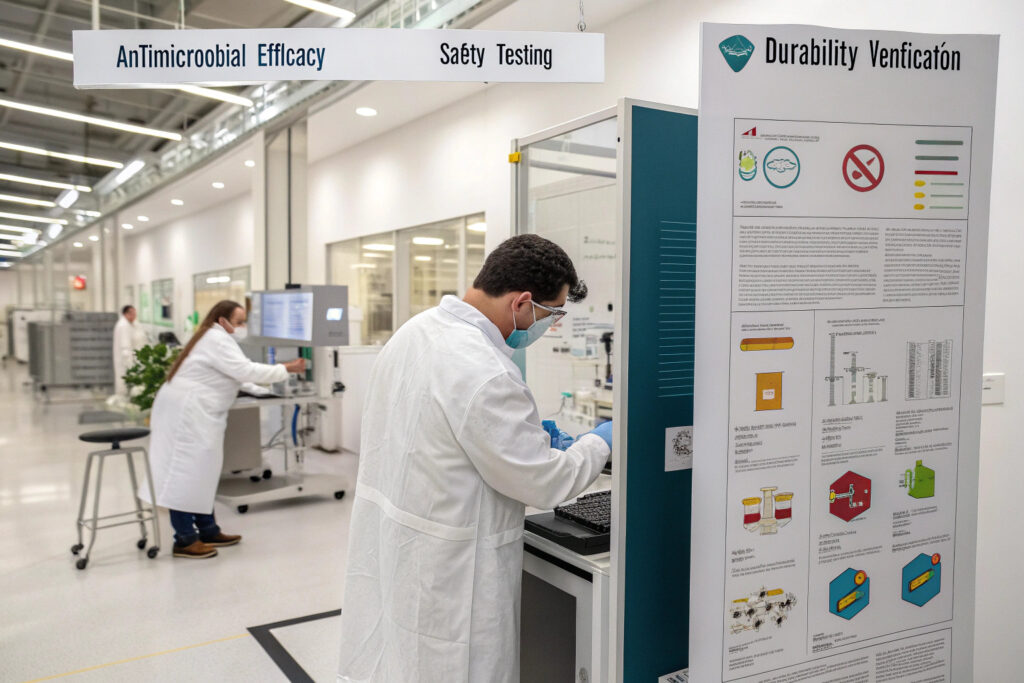
What specific testing protocols verify antimicrobial claims?
ISO 20743 and AATCC 100 standards provide quantitative methods for measuring antibacterial activity on textiles, while ISO 18184 addresses antiviral efficacy specifically. The most rigorous manufacturers conduct these tests against multiple pathogens including SARS-CoV-2, influenza A, and common bacteria like Staphylococcus aureus. Our testing regimen includes all three standards plus real-world simulation testing with actual wear and environmental exposure.
How is safety verified for copper exposure?
Skin sensitization testing following ISO 10993-10 standards ensures copper-infused fabrics don't cause irritation or allergic reactions, while leaching tests verify that copper release remains within safe exposure limits established by regulatory bodies. Our copper-infused fabrics demonstrate copper release rates of 0.5-2 μg/cm²/week—well below the 30 μg/cm²/week safety threshold established by EU regulations.
What Smart Features Are Being Integrated?
The latest copper mask developments include complementary technologies that enhance functionality beyond basic antimicrobial protection.
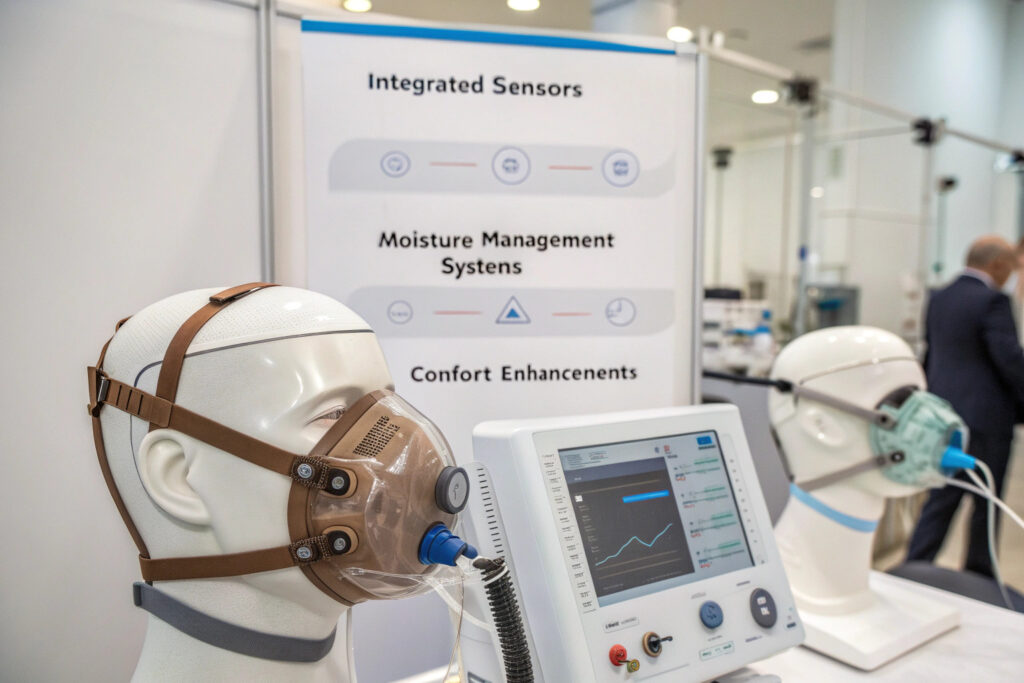
How are sensing technologies being incorporated?
Color-changing indicators using copper-based chemistry can signal mask saturation or potential contamination. Some advanced designs incorporate subtle pattern changes when the antimicrobial capacity is diminishing or when significant pathogen exposure has occurred. While still in early adoption, these visual indicators provide valuable user feedback without electronic components.
What about enhanced filtration combinations?
Copper-enhanced electrostatic filtration combines copper's antimicrobial action with enhanced particulate capture. By treating polypropylene filtration layers with copper nanoparticles, manufacturers create media that both captures and deactivates pathogens. Our testing shows these hybrid filters maintain 98% particulate filtration efficiency while providing continuous antimicrobial action between uses.
What Are the Real-World Performance and Limitations?
Understanding both the capabilities and constraints of current copper mask technology informs appropriate usage scenarios.
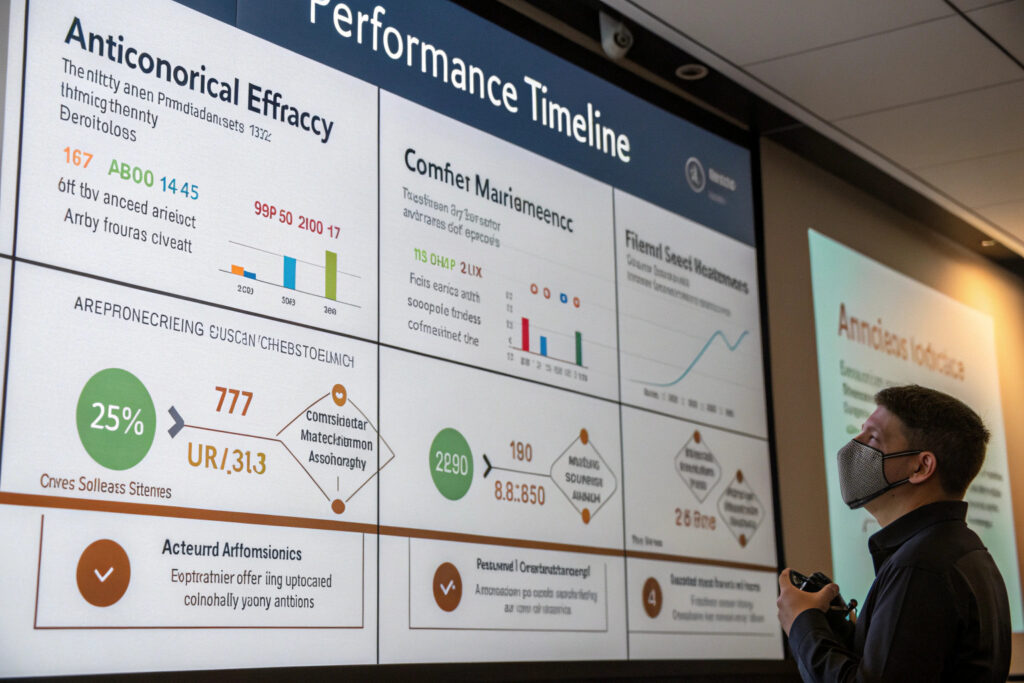
What is the actual self-disinfecting capability?
Continuous antimicrobial action occurs primarily on the mask surface rather than providing instant sterilization. Current technologies typically achieve 99% reduction of viable viruses and bacteria within 1-4 hours depending on environmental conditions. This makes copper-infused masks particularly valuable for reducing contamination during storage between uses, though they don't eliminate the need for proper hygiene practices.
How does efficacy change with extended use?
Gradual diminishment of antimicrobial activity occurs over time, with most copper masks maintaining effective protection through 6-8 months of regular use with proper care. The rate of diminishment depends on washing frequency, detergent types, and environmental exposure. Our quality standards require maintaining at least 90% of initial antimicrobial efficacy through 50 washes or 6 months of use.
Conclusion
The latest developments in self-disinfecting copper-infused masks represent significant advances in both efficacy and practicality. Nanoparticle integration, ion infusion technologies, and strategic material placement have addressed many early limitations while maintaining copper's proven antimicrobial properties. These innovations have positioned copper-infused masks as a viable option for enhanced protection, particularly in situations where mask reuse is necessary or where additional peace of mind is valued.
While copper technology provides valuable antimicrobial benefits, it should be viewed as a complementary layer of protection rather than a replacement for proper mask hygiene, fit, and filtration efficiency. The most effective approach combines copper's self-disinfecting properties with proven mask design principles for comprehensive protection.
Ready to explore the latest copper-infused mask technologies for your product line? Contact our Business Director, Elaine, at elaine@fumaoclothing.com to discuss our advanced copper integration methods and independent testing results. We'll help you determine whether copper-infused masks align with your brand positioning and customer needs.