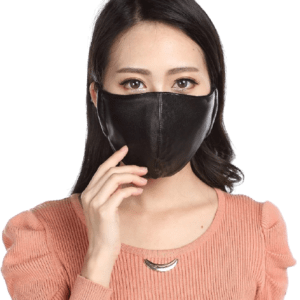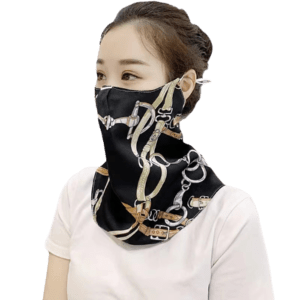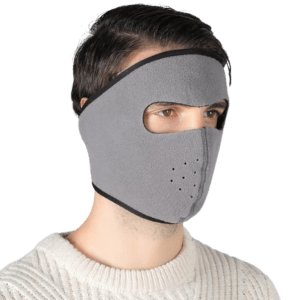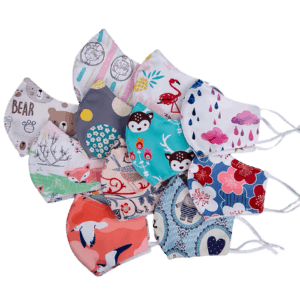
The ISO 18184 standard has become increasingly crucial for fabric mask manufacturers making antiviral claims, particularly as consumers seek verified protection beyond basic filtration. This international standard provides a standardized methodology for evaluating the antiviral activity of textile products, creating a level playing field for claims verification across global markets. Understanding the latest requirements is essential for manufacturers developing masks with genuine antiviral properties and for brands seeking to make scientifically valid marketing claims.
The latest ISO 18184 standards specify quantitative testing methods using influenza A virus and bacteriophages to measure antiviral activity on textiles, with performance ratings based on reduction values after specific contact periods. The standard has been updated to provide more precise quantification, improved test organism selection, and clearer performance categorization that distinguishes between antiviral activity and general antimicrobial effects.
The evolution of ISO 18184 reflects growing understanding of virus-textile interactions and the need for more clinically relevant testing protocols. Recent updates have specifically addressed issues identified during the pandemic regarding appropriate test viruses, contact time relevance, and meaningful reduction thresholds. Let's examine the specific testing methodologies and performance requirements in the current standard.
What Testing Methodologies Does ISO 18184 Specify?
The standard outlines precise quantitative methods for measuring viral reduction on textile surfaces under controlled conditions.
How are test viruses selected and prepared?
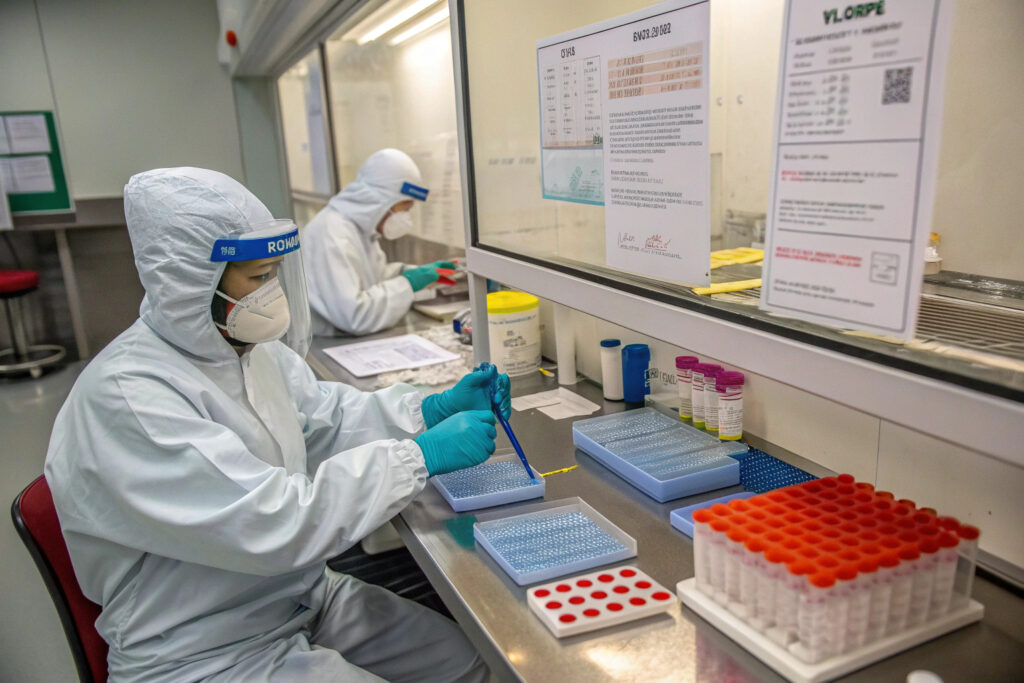
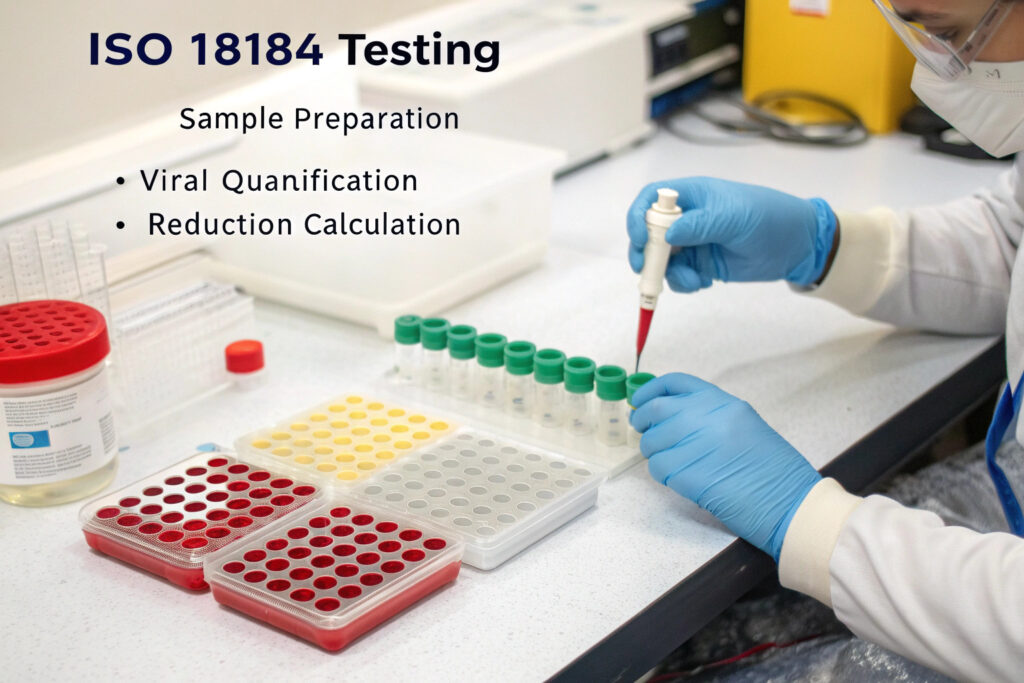
The standard specifies using influenza A virus (H1N1 or H3N2 strains) as the primary test organism due to its clinical relevance and structural similarity to other enveloped viruses of concern. Additionally, bacteriophage ΦX174 serves as a surrogate for non-enveloped viruses, providing broader assessment of antiviral activity. Virus stocks are prepared to specific concentrations (typically 10^5-10^7 plaque forming units/mL) and applied to textile samples in a standardized inoculum volume. Our testing follows the precise viral preparation protocols to ensure consistent, reproducible results.
What are the critical testing parameters?
Testing occurs under controlled temperature (20-25°C) and humidity (40-60% RH) conditions with specified contact times (typically 2 hours and 24 hours). After the contact period, surviving viruses are eluted from the fabric and quantified using plaque assay or TCID50 methods. The antiviral activity is calculated as the log reduction compared to control samples. Our laboratory maintains the strict environmental controls required for valid ISO 18184 testing, with continuous monitoring documentation.
What Performance Ratings and Classifications Apply?
The standard provides clear performance categories based on quantitative reduction values.
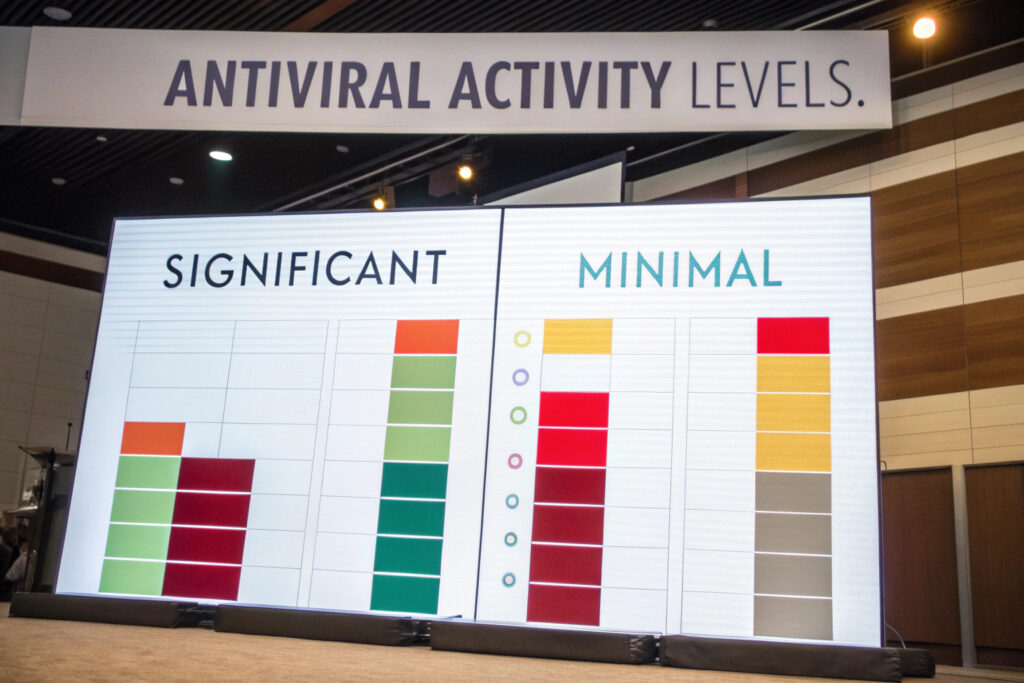
Log reduction values (LRV) determine the effectiveness, calculated as the logarithm of the ratio between virus count on control samples versus treated samples after contact time. For example, a 3-log reduction indicates 99.9% viral reduction, while a 1-log reduction indicates 90% reduction. The standard recognizes that different contact times yield different reduction values, with longer contact times typically showing higher reduction rates. Our testing reports include both 2-hour and 24-hour contact time results to provide comprehensive performance data.
The standard considers ≥2 log reduction (99%) within 2 hours or ≥3 log reduction (99.9%) within 24 hours as demonstrating significant antiviral activity. These thresholds represent meaningful viral reduction that could impact transmission risk. Products achieving ≥4 log reduction (99.99%) qualify for the highest performance classification. Our clients typically aim for minimum 2-log reduction at 2 hours to support credible antiviral claims.
How Does ISO 18184 Differ from Antibacterial Testing?
Understanding the distinction between antiviral and antibacterial testing prevents misleading claims and ensures appropriate verification.
Why are different test organisms required?
Viruses and bacteria have fundamentally different structures and replication mechanisms, requiring distinct testing approaches. Viruses lack independent metabolism and must infect host cells to replicate, while bacteria are complete organisms that can grow independently. ISO 18184 specifically addresses viral structures, particularly the lipid envelopes that characterize many respiratory viruses. Our testing validates that antiviral treatments effective against enveloped viruses may not necessarily work against non-enveloped viruses or bacteria.
How do contact time requirements differ?
Antiviral testing typically requires longer contact times than antibacterial assessment because viruses don't "die" in the traditional sense but rather are inactivated, which can be a slower process. While antibacterial tests might show results within hours, meaningful antiviral activity often requires 2-24 hours to demonstrate significant reduction. This has important implications for real-world performance claims on masks.
What Are the Sample Preparation Requirements?
Proper sample preparation is crucial for obtaining valid, reproducible results.
What conditioning is required before testing?
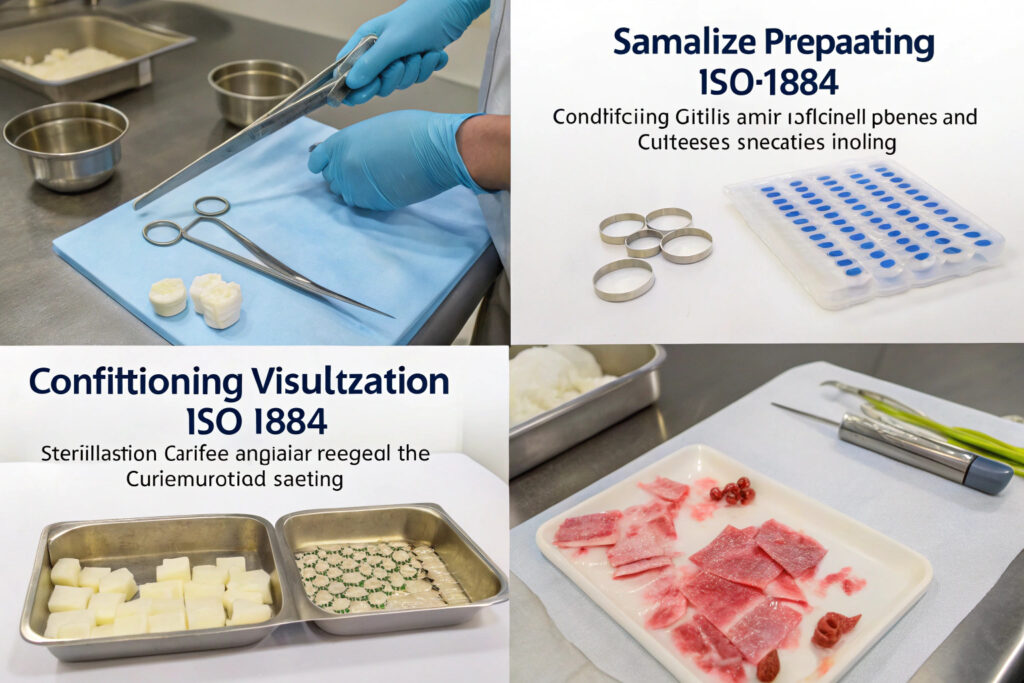
Textile samples must undergo standard conditioning (24 hours at 20°C ± 2°C and 65% ± 4% RH) to eliminate variations caused by environmental factors. Samples are cut to specific sizes (typically 50mm × 50mm) with careful attention to avoiding contamination. For masks, multiple samples from different locations should be tested to account for potential treatment inconsistencies. Our protocol tests samples from at least three different mask areas to ensure uniform antiviral treatment.
How are control samples prepared?
Untreated control samples of identical base material must be tested alongside treated samples to establish baseline viral persistence. Additionally, reference materials with known antiviral properties may be used to validate testing procedures. Our quality system includes running control samples with every test batch to ensure methodological validity and detect any procedural variations.
What Documentation and Reporting Standards Apply?
Proper documentation ensures test results are verifiable and legally defensible for marketing claims.
What must be included in test reports?
Comprehensive ISO 18184 reports should include: test laboratory accreditation details, complete methodology description, raw data from all replicates, statistical analysis, environmental condition records, and clear performance conclusions. The report should specify exactly which viruses were tested, contact times, and reduction values with confidence intervals. Our reports provide transparent data that allows clients to make precisely qualified claims.
How should test results be communicated to consumers?
Claims should be specific and qualified rather than making broad "antiviral" statements. Appropriate claims might specify "demonstrated 99% reduction against influenza A virus within 2 hours when tested according to ISO 18184." The standard discourages vague terms like "antiviral protection" without specific quantification. Our marketing guidance helps clients communicate results accurately while maximizing consumer understanding.
What Are the Limitations and Considerations of ISO 18184?
Understanding the standard's limitations prevents overinterpretation of results and inappropriate claims.
How does laboratory testing relate to real-world performance?
Laboratory conditions don't perfectly replicate actual use environments, where factors like moisture, contamination, and wear might affect performance. ISO 18184 provides a standardized comparison method rather than an absolute guarantee of real-world efficacy. The standard specifically notes that results indicate potential performance under the tested conditions. Our consulting includes helping clients understand how laboratory results translate to expected real-world performance.
What about durability through washing and wear?
ISO 18184 testing typically evaluates unused samples, so additional testing is required to verify maintained antiviral activity after washing, abrasion, or extended wear. Some certification programs require testing after specified numbers of wash cycles. Our durability testing program includes ISO 18184 evaluation after 5, 10, and 25 wash cycles to support long-term performance claims.
Conclusion
The latest ISO 18184 standards provide a rigorous, standardized methodology for evaluating the antiviral activity of textiles, including fabric masks. The standard's quantitative approach using relevant test viruses and specified contact times creates a credible foundation for antiviral claims when properly implemented. Understanding the testing methodologies, performance classifications, and documentation requirements is essential for manufacturers developing antiviral masks and brands making scientifically valid marketing claims.
As regulatory scrutiny of antiviral claims increases globally, compliance with ISO 18184 represents both a competitive advantage and a risk mitigation strategy. The investment in proper testing and claim verification pays dividends through consumer trust, regulatory compliance, and market differentiation.
Ready to verify your fabric masks according to ISO 18184 standards? Contact our Business Director, Elaine, at elaine@fumaoclothing.com to discuss our antiviral testing capabilities and how we can help you develop and verify masks with scientifically valid antiviral properties. We'll guide you through the testing process and help you communicate results effectively to your market.