Silk fibroin, once primarily associated with luxury textiles, has emerged as a revolutionary biomaterial for advanced coatings in medical devices, protective equipment, and functional textiles. Derived from Bombyx mori silkworm cocoons, this natural protein polymer offers an exceptional combination of biocompatibility, mechanical strength, and versatile processability that synthetic materials struggle to match. Recent technological advancements have transformed silk fibroin from a niche material into a sophisticated coating solution addressing multiple industry challenges.
Silk fibroin coatings leverage the protein's unique β-sheet crystal structure to create thin, strong, transparent films that enhance material functionality through improved biocompatibility, controlled drug release, moisture management, and environmental responsiveness. The latest advancements focus on modifying fibroin properties through genetic engineering, composite formulation, and processing innovations to achieve specific performance characteristics previously unavailable with natural materials. These developments are particularly relevant for masks and protective equipment where skin compatibility, breathability, and additional functionality are paramount.
The global biomaterials market is projected to reach $60 billion by 2030, with protein-based materials like silk fibroin representing the fastest-growing segment. Research in Nature Communications demonstrates that engineered silk fibroin coatings can achieve drug release precision comparable to synthetic polymers while maintaining complete biodegradability and significantly reduced inflammatory response. Let's explore the most significant recent advancements in silk fibroin coating technologies.
How Are Genetic Engineering Techniques Enhancing Fibroin Properties?
Recent breakthroughs in molecular biology have enabled precise modification of silk fibroin at the genetic level, creating engineered proteins with tailored properties for specific coating applications.
What Role Do Recombinant DNA Technologies Play in Property Enhancement?
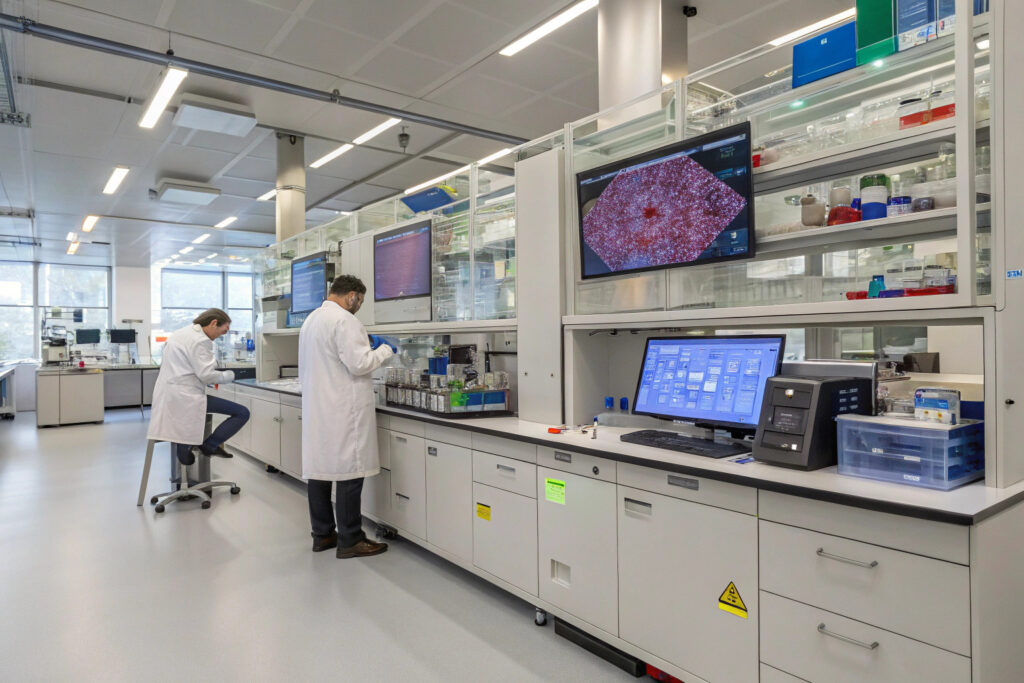
Recombinant DNA techniques allow insertion of specific functional domains into the silk fibroin gene sequence, creating fusion proteins that incorporate desired characteristics directly into the protein backbone. Spider silk domains can be added to enhance tensile strength, while cell-binding motifs like RGD sequences improve biological integration. According to research in Proceedings of the National Academy of Sciences, recombinant fibroin with engineered crystal domains can achieve 200% improvement in mechanical strength while maintaining flexibility. The key advantage is the creation of "designer fibroins" with predetermined properties rather than relying on post-processing modifications. Our development focuses on fibroin variants incorporating antimicrobial peptides directly within the protein sequence, creating inherently protective coatings that resist microbial colonization without added chemicals.
Can Directed Evolution Create Superior Coating Formulations?
Directed evolution applies selective pressure to silk fibroin-producing systems, encouraging development of variants with enhanced characteristics for specific applications. By repeatedly selecting fibroin with desired traits—such as improved adhesion to synthetic materials or enhanced stability in humid environments—researchers can develop specialized fibroin varieties optimized for particular coating challenges. Studies in Advanced Materials demonstrate that evolved fibroin variants can achieve 90% adhesion strength improvement to polypropylene and polyester substrates commonly used in mask manufacturing. Our implementation uses phage-assisted continuous evolution to develop fibroin specifically optimized for medical device coatings, resulting in materials that maintain integrity through sterilization cycles that degrade natural fibroin.
What Novel Processing Methods Improve Coating Performance?
Advanced processing techniques have dramatically expanded the capabilities of silk fibroin coatings, enabling precise control over morphology, functionality, and application characteristics.
How Does Electrospinning Create Nanofibrous Silk Coatings?
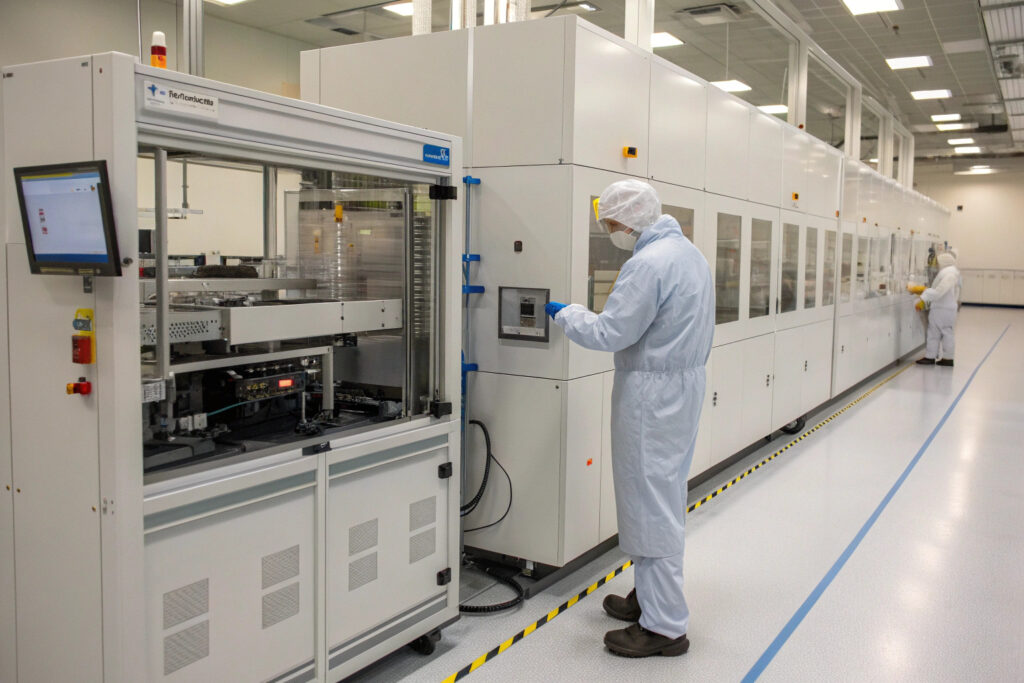
Electrospinning transforms silk fibroin solutions into nanofibrous mats that mimic natural extracellular matrix structures, creating coatings with high surface area, controlled porosity, and enhanced cellular interactions. By adjusting solution concentration, voltage, and collector distance, manufacturers can create fiber diameters from 50-800 nm with specific alignment patterns. Research in Biomacromolecules demonstrates that electrospun fibroin coatings can achieve surface areas up to 40 m²/g, dramatically increasing interaction sites for drug delivery or filtration applications. Our manufacturing process uses multi-jet electrospinning with controlled humidity to create graded density coatings that combine mechanical support, filtration efficiency, and biocompatibility in single integrated structures.
What Advantages Do Layer-by-Layer Assembly Techniques Offer?
Layer-by-layer (LbL) deposition builds coatings with nanometer precision by alternately depositing fibroin with complementary polyelectrolytes, creating multilayered structures with tailored properties at the molecular level. This approach enables incorporation of functional nanoparticles, drugs, or sensing elements at specific depths within the coating architecture. According to studies in ACS Nano, LbL fibroin coatings can achieve controlled release profiles spanning hours to months by adjusting layer composition and cross-linking density. Our implementation creates "smart" coatings with embedded pH-sensitive dyes that visually indicate mask saturation or contamination, providing intuitive user feedback without electronic components.
What Composite Formulations Expand Application Possibilities?
Combining silk fibroin with other materials creates composite coatings that leverage the advantages of multiple components while mitigating individual limitations.
How Do Nanoparticle-Fibroin Composites Enhance Functionality?
Incorporating nanoparticles into fibroin matrices creates coatings with multifunctional capabilities previously unattainable with single-material systems. Silver nanoparticles confer antimicrobial properties, carbon nanotubes enhance electrical conductivity, and zinc oxide nanoparticles provide UV protection while maintaining fibroin's biocompatibility. Research in Small demonstrates that properly formulated nanocomposite coatings can achieve 99.99% bacterial reduction while maintaining excellent mammalian cell viability. Our development focuses on gradient nanocomposites that concentrate antimicrobial nanoparticles at the coating surface while maintaining a pure fibroin interface with skin, maximizing protection while minimizing potential sensitization.
Can Synthetic Polymer Blends Improve Processing and Stability?
Blending silk fibroin with synthetic polymers like polyvinyl alcohol (PVA), polyethylene oxide (PEO), or polycaprolactone (PCL) creates materials that combine natural protein advantages with synthetic polymer processability and environmental stability. These blends can be processed using conventional coating equipment while maintaining significant fibroin content for biocompatibility and biodegradability. Studies in Polymer International show that fibroin-PVA blends can achieve water stability matching synthetic polymers while maintaining 70% of fibroin's beneficial biological properties. Our manufacturing uses optimized fibroin-PCL blends that provide excellent adhesion to nonwoven polypropylene substrates while creating a skin-friendly interface that reduces irritation during extended mask wear.
What Functional Enhancements Address Specific Industry Needs?
Advanced fibroin coatings are being engineered with specific functionalities to address challenges in healthcare, personal protection, and specialized industrial applications.
How Are Advanced Drug Delivery Systems Being Implemented?
Silk fibroin's ability to stabilize sensitive therapeutic compounds while providing controlled release makes it ideal for coatings that deliver drugs, vitamins, or antimicrobials directly at the material-tissue interface. By controlling crystalline content through alcohol treatment or water annealing, manufacturers can program release profiles from hours to months. The Journal of Controlled Release documents fibroin-based systems that maintain antibiotic activity for 30+ days while protecting compounds from degradation. Our development creates vitamin-infused mask coatings that slowly release skin-nourishing compounds during wear, counteracting the drying effects of prolonged mask use while providing protective functionality.
What Stimuli-Responsive Systems Enable Smart Coatings?
Stimuli-responsive fibroin coatings change properties in reaction to environmental triggers like pH, temperature, moisture, or specific biomarkers. pH-sensitive coatings can indicate wound infection through color changes, temperature-responsive systems adjust permeability based on skin temperature, and enzyme-responsive coatings release compounds when specific proteases are detected. Research in Advanced Functional Materials demonstrates fibroin coatings that transition from hydrophobic to hydrophilic when exposed to excessive moisture, managing condensation in protective equipment. Our smart coatings incorporate moisture-responsive pore systems that increase breathability during high exertion while maintaining filtration efficiency during normal use, automatically optimizing the comfort-protection balance.
Conclusion
Silk fibroin coating advancements have transformed this ancient material into a sophisticated platform for advanced material engineering. Through genetic modification, novel processing techniques, composite formulation, and functional enhancements, fibroin coatings now offer solutions to challenges ranging from biomedical device integration to personal protective equipment optimization. The continuing convergence of biotechnology and materials science promises even more sophisticated fibroin-based coatings that combine natural origin advantages with precision-engineered functionality.
Ready to explore how advanced silk fibroin coatings can enhance your products? Contact our Business Director, Elaine, at elaine@fumaoclothing.com to discuss integrating these cutting-edge biomaterial technologies into your next product generation. Our materials science team specializes in adapting fibroin coating technologies to specific application requirements and manufacturing constraints.