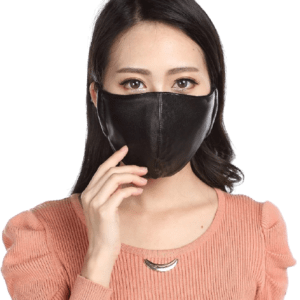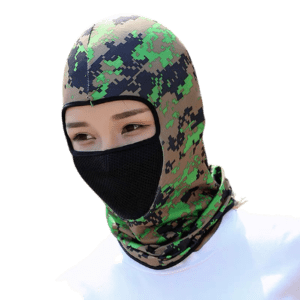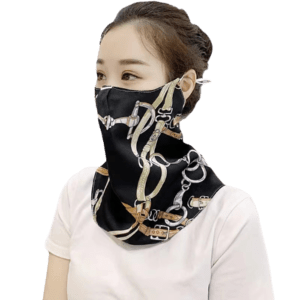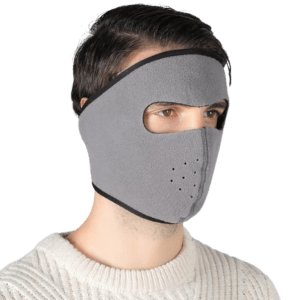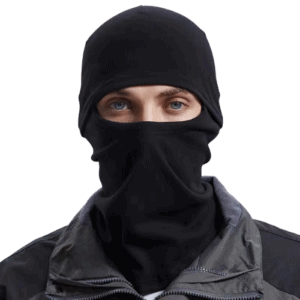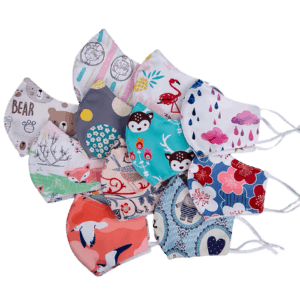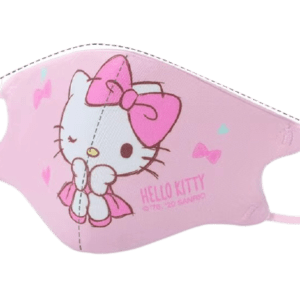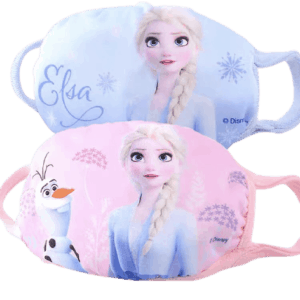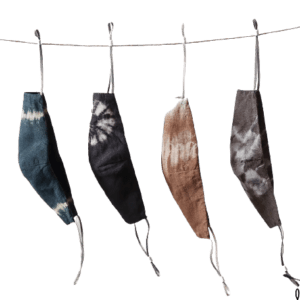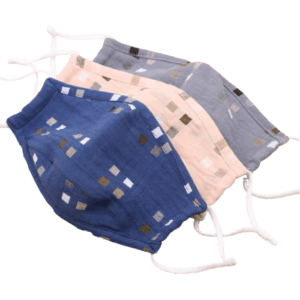
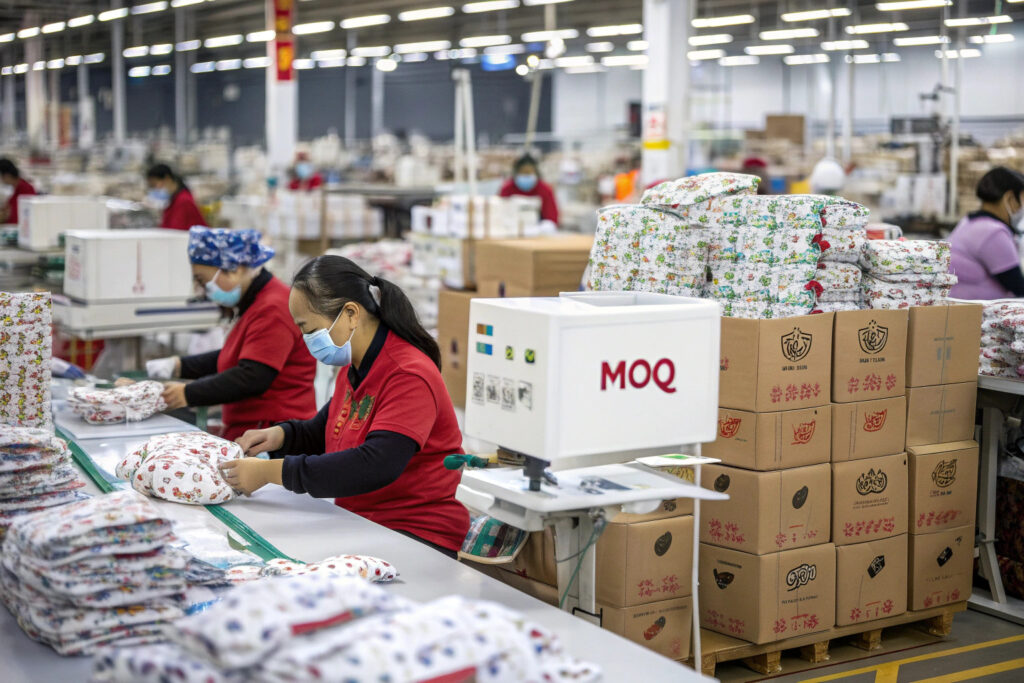
Are you wondering whether your small business or new product launch can meet the MOQ requirements of Asian custom mask factories? You’re not alone. MOQ—Minimum Order Quantity—is a critical factor when sourcing custom cloth face masks from Asia, especially for startups, boutique brands, and niche market sellers. Get it wrong, and you risk delays, rejected quotes, or inflated costs.
Asian suppliers generally set MOQs between 500–5,000 pieces per design, depending on fabric, customizations, and factory size. But the good news is: for fabric masks, especially in regions like Keqiao, China, flexible MOQs are increasingly available due to localized production and digital workflow upgrades.
This article breaks down what MOQ you should expect and how to negotiate terms that align with your business scale and margin goals.
What Factors Influence the MOQ of Fabric Mask Suppliers?
Does Fabric Choice Impact MOQ?
Absolutely. Plain cotton or polyester masks generally have lower MOQs—around 500 to 1,000 pieces per style. But premium fabrics, like antimicrobial-treated knits or bamboo rayon, may push MOQs to 3,000 or more.
Factories buy fabric rolls in bulk, and they must cut and sew with minimal waste. If your chosen fabric isn’t in stock or is too niche, the supplier may require a large volume to offset sourcing and dyeing costs.
You can explore Textile Exchange databases to pre-check fabric sustainability availability in Asia.
How Does Printing Method Affect MOQ?
Printing directly impacts setup cost and order volume. For example:
| Printing Method | Typical MOQ | Notes |
|---|---|---|
| Heat Transfer Printing | 500+ pcs | Good for logos and small orders |
| Sublimation | 1,000–2,000 pcs | Better for all-over designs |
| Screen Printing | 2,000–5,000 pcs | Costly screen setup, higher MOQ |
| Digital Printing | 300–800 pcs | Ideal for high-color small runs |
Suppliers offering in-house digital printing—like Global-Caps—can support low-MOQ customization more flexibly than those outsourcing print.
Are There Regional MOQ Differences Among Asian Countries?
Is China the Most MOQ-Friendly Region?
Yes. China, particularly in Keqiao and Guangzhou, offers the most scalable options for different MOQ tiers. Many specialized factories here can:
- Start with 300–500 pieces for basic designs
- Accept 1,000–1,500 pieces for custom packaging or mold-based designs
- Deliver trial runs in 7 days using in-stock fabrics
Because of local dyeing and finishing clusters, Chinese factories reduce dependency on large MOQs for raw materials. Buyers like Ron from the U.S. often prefer this agility over larger but slower production zones.
For reference, check Keqiao Government’s Silk Road Trade Stats for supplier cluster activity.
How Do Vietnam and Bangladesh Compare?
Vietnamese mask suppliers typically start at 1,000–2,000 pcs MOQ. Their strengths lie in larger-scale consistent bulk orders, often for PPE-focused buyers.
Bangladeshi suppliers, focused on garment factories, usually require 5,000+ pcs MOQ. They're less flexible for custom colorways or retail packaging unless it's a reorder.
For flexible low MOQ sourcing, China leads due to vertical integration and proximity between fabric mills, dye houses, and sewing facilities.
How Can Buyers Negotiate Lower MOQs Without Sacrificing Quality?
What Tactics Work Best When MOQ Is a Barrier?
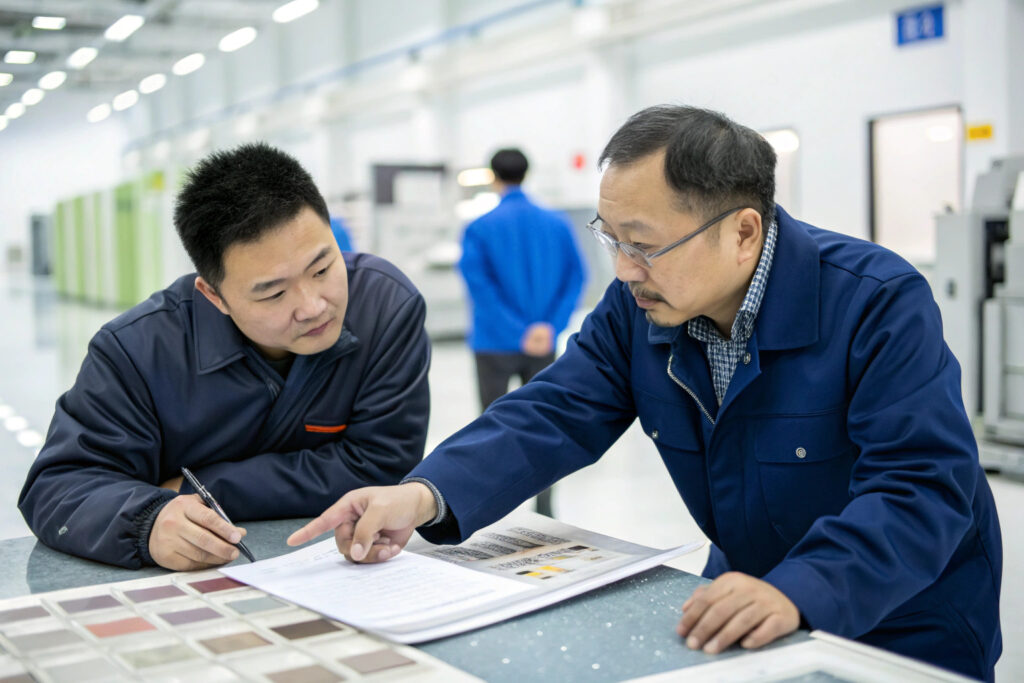
If you're struggling to meet a supplier’s MOQ, try these strategies:
- Consolidate colorways: Stick to 1–2 base colors instead of 5 variations.
- Use stock fabrics: Ask what's in stock to avoid new dye lots.
- Choose digital printing: Skip expensive screens.
- Split shipment: Negotiate for partial delivery with staggered production.
- Partner with other buyers: Some suppliers offer shared production slots.
You can also request “MOQ trials”, a lower-priced test run for new clients. Suppliers like us often run pilot batches of 200–300 pcs for approved buyers, especially those willing to reorder.
Suppliers such as Global Sources and Made-in-China often list factories with published MOQ ranges you can compare before reaching out.
Are There Risks in Negotiating Too Low?
Yes. Extremely low MOQ orders may come with:
- Delays due to deprioritization
- Fabric substitutions if sourcing isn’t viable
- Lower-tier labor allocation or QC oversight
- Hidden upcharges in printing or packaging
Balance is key. Avoid squeezing too hard—respect the supplier’s need to stay profitable while ensuring your product meets standards.
What Is a Reasonable MOQ Expectation for Different Mask Types?

What Are Common MOQ Ranges Per Mask Style?
Here’s a breakdown of typical MOQ ranges based on our experience and market norms:
| Mask Type | MOQ Range | Notes |
|---|---|---|
| Basic Flat Fold Mask | 300–500 pcs | Easy entry-level, stock fabric |
| Contour / 3D Mask | 500–1,000 pcs | Requires special mold or shaping |
| Filter Pocket Mask | 800–1,500 pcs | More stitching complexity |
| Kids’ Fabric Mask | 1,000–2,000 pcs | Sizing and compliance add complexity |
| Designer/Fashion Mask | 1,500–3,000 pcs | High branding/customization cost |
Retail-ready packaging (window boxes, UPC stickers, etc.) can increase MOQ slightly unless pre-arranged.
Can You Order Mixed Styles in One MOQ?
Sometimes. If the fabric and pattern are the same, many suppliers allow you to mix mask shapes or add a kids’ version. This works best when MOQ is calculated per fabric base, not design line.
We often support clients by offering “combo bundles” under one MOQ—helping them test market demand without overcommitting.
Platforms like DHgate list suppliers that openly allow style mixes within one MOQ.
Conclusion
Ordering custom cloth face masks from Asia doesn’t have to be intimidating. The key to unlocking the right MOQ lies in understanding your supplier’s operations—and aligning your design ambitions with practical thresholds.
With the right negotiation strategy, material choices, and regional insight, you can confidently source fabric masks even at lower quantities. China’s mask suppliers—especially in regions like Keqiao—are leading the way in offering flexible MOQ deals that don't compromise on quality.
At Global-Caps, we help clients like Ron succeed by turning MOQ into an opportunity, not a roadblock. Let us help you do the same.