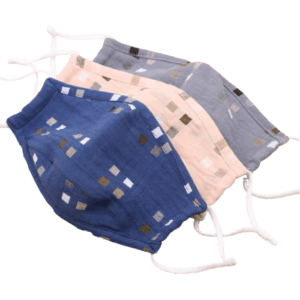
The environmental burden of disposable masks is substantial, with billions ending up in landfills or as litter each month. Implementing a closed-loop recycling system transforms this waste challenge into a strategic sustainability opportunity. It allows manufacturers to reclaim valuable materials, reduce virgin resource dependency, and build a circular business model that resonates with eco-conscious consumers and clients.
Closed-loop recycling for end-of-life masks is a systematic process that collects used products, breaks them down into raw materials, and feeds those materials back into the manufacturing of new masks, creating a circular flow that minimizes waste, cuts carbon emissions, and conserves resources. This approach moves beyond the traditional linear model of "take, make, dispose" to one where products are designed with their next life in mind. Successful implementation hinges on building a robust ecosystem encompassing collection, logistics, processing technology, and product redesign.
The market for circular economy solutions is expanding rapidly. For mask manufacturers, establishing a closed-loop system isn't just an environmental gesture—it's a potential source of cost savings, supply chain resilience, and competitive brand differentiation. Let's break down the practical steps to build this system from the ground up.
What Are the First Steps in Designing a Take-Back System?
The journey to a closed loop begins with getting used masks back. A convenient and reliable collection system is critical to secure the volume of material needed to make recycling economically viable.
How Do I Set Up Collection Points That People Will Actually Use?
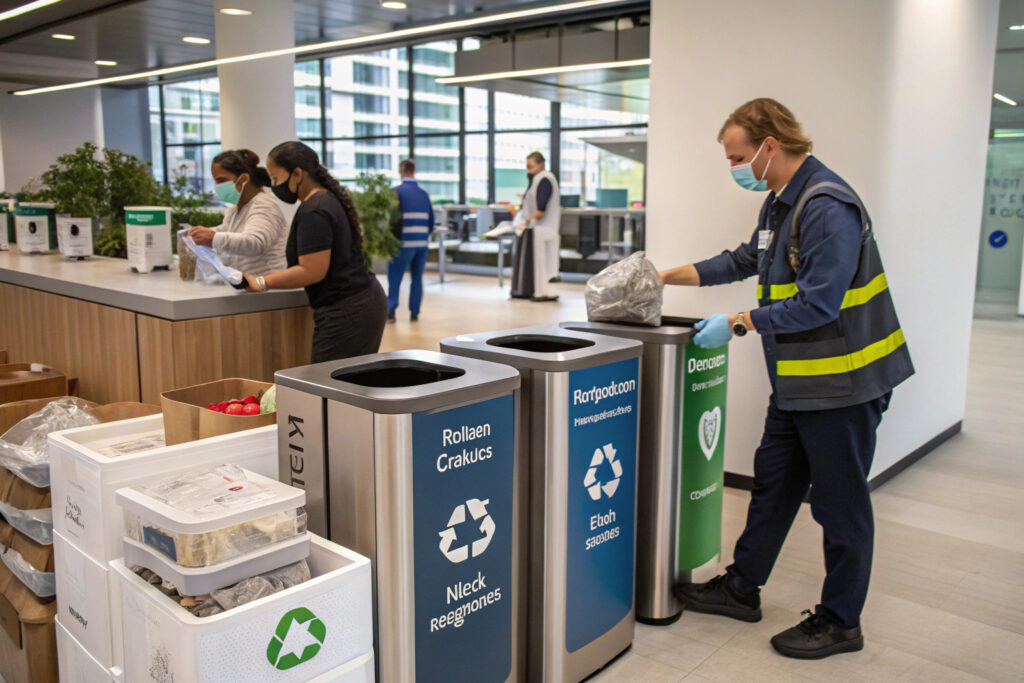
Convenience is key. Place collection bins in high-traffic areas where mask use is common: office building lobbies, factory exits, university campuses, and retail stores (especially those selling your masks). Partner with businesses, schools, and municipal facilities to host bins. The bins themselves should be hygienic (foot pedal or sensor-operated), clearly labeled with simple instructions, and visually distinct from regular trash. Offering a small incentive, like a discount on a future purchase for returning a certain number of masks, can significantly boost participation rates. According to principles from the Ellen MacArthur Foundation's circular design guide, making the return process easier than disposal is fundamental to success.
What Logistics Are Needed to Manage Collected Masks?
You'll need a scheduled pick-up system to transport full bins to a processing facility. This can be handled by a contracted logistics company or your own fleet. It's crucial to have protocols for safe handling, as collected masks are considered potential biohazardous waste. Masks should be stored in sealed containers during transport. Partnering with a medical or specialty waste handler initially can ensure safety compliance. The frequency of pick-ups will depend on the volume generated at each location—high-traffic areas may need daily service, while others might be weekly. Efficient routing software can optimize this process.
How Are Masks Processed and Transformed into Raw Material?
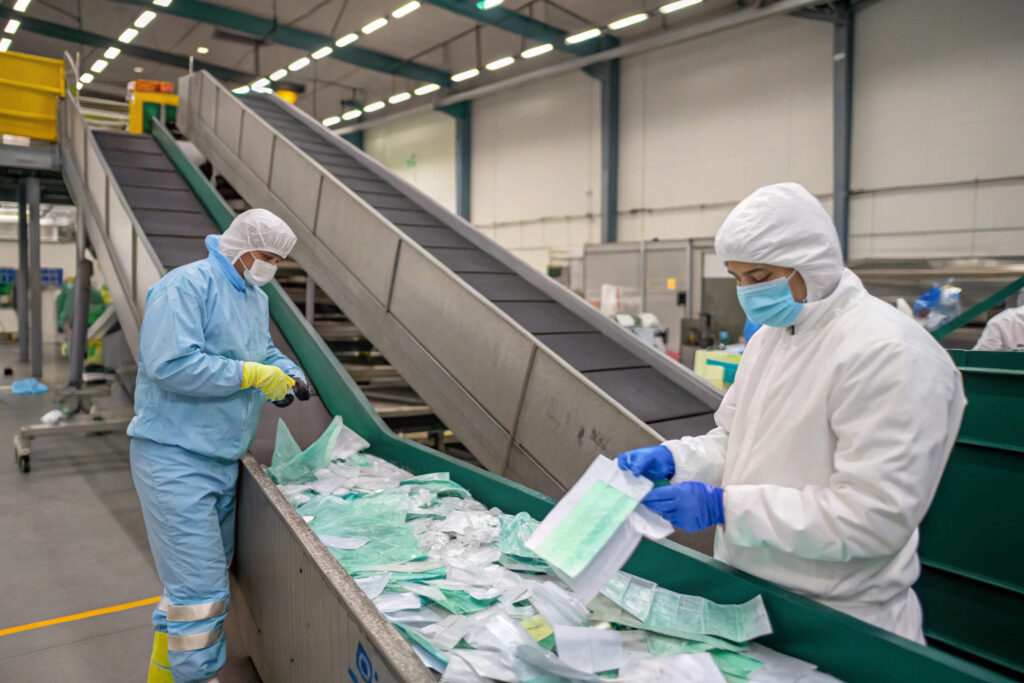
Once collected, masks enter the recycling pipeline where they are sanitized, disassembled, and converted into a usable material form. This stage requires specialized equipment and processes.
What Does the Initial Decontamination and Shredding Process Involve?
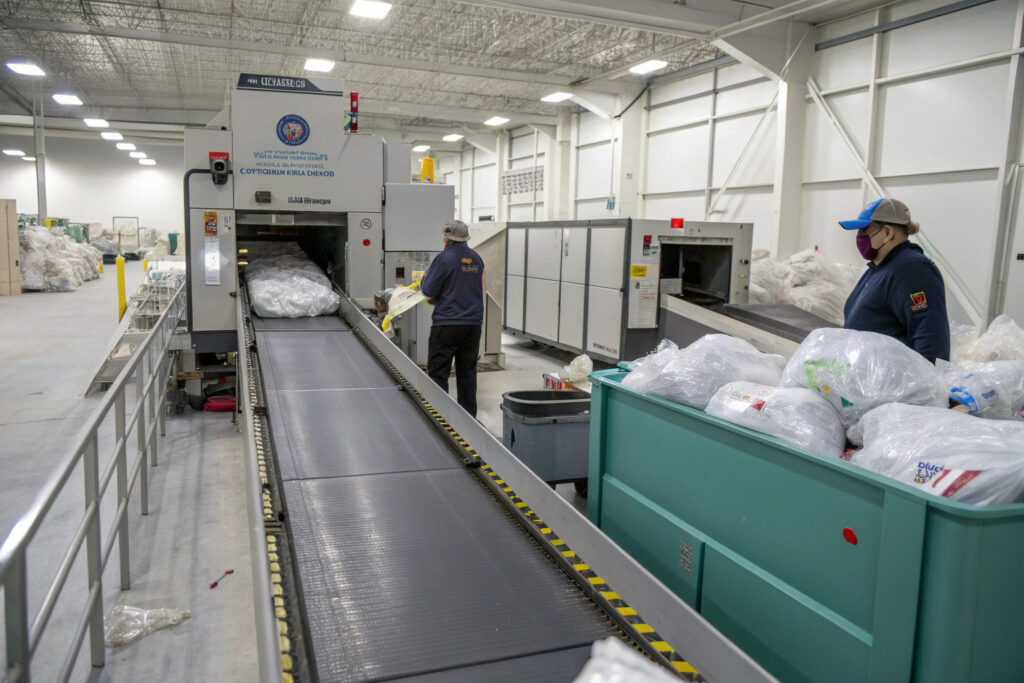
Safety comes first. Collected masks typically undergo a sterilization process, such as irradiation, heat treatment, or chemical wash, to neutralize any pathogens. After sterilization, masks are fed into industrial shredders that tear them apart, breaking down the structure into smaller pieces. This mixture will contain different materials: primarily polypropylene (PP) from the non-woven fabric, elastic (often rubber or spandex), a metal nose wire, and sometimes additional plastics from straps or valves. This shredded mix is the starting point for material separation.
How Are Different Materials Separated Effectively?
Advanced sorting technologies are essential to produce clean material streams. The shredded mix can be processed through a series of separation stages:
- Air Classification: Lighter PP fibers are separated from heavier debris.
- Magnetic Separation: A powerful magnet pulls out the ferrous metal nose wires.
- Elastic Removal: Techniques like electrostatic separation or specific gravity sorting can isolate the elastic components.
The goal is to isolate the main material—polypropylene—as purely as possible. According to technology reviews from Plastics Today, modern sorting lines using a combination of these methods can achieve high-purity output suitable for recycling.
What Happens to the Recycled Material? How Is It Reused?
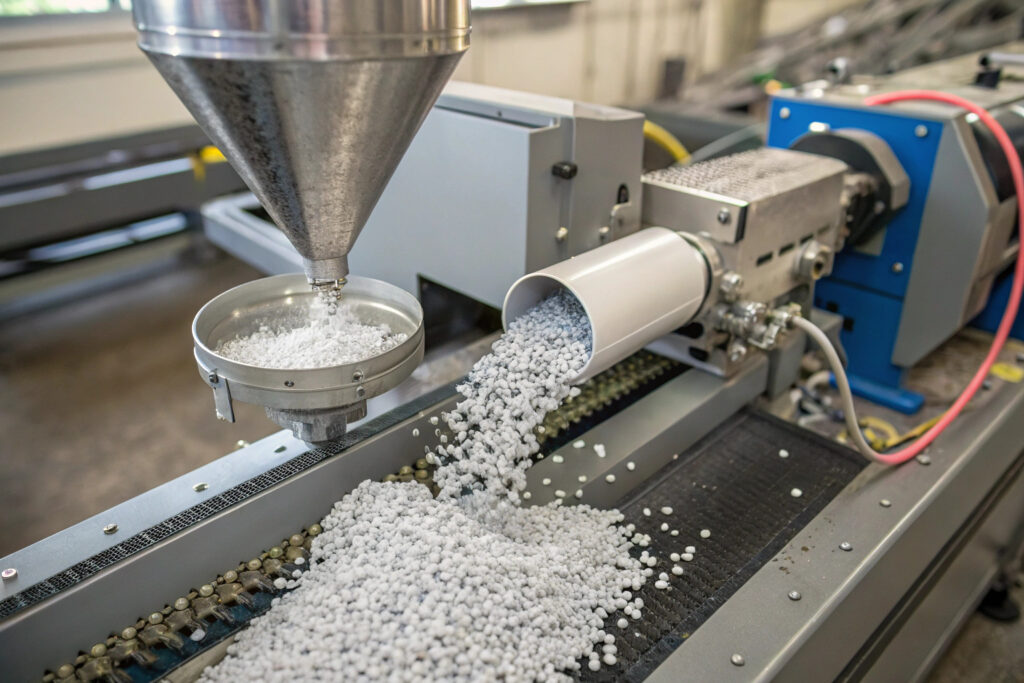
The purified polypropylene flakes are the valuable output of the recycling process. This recycled resin (rPP) now needs to be reintegrated into new products.
Can Recycled Mask Material Be Used to Make New Masks?
Yes, but often in a blended form. The recycling process can slightly degrade the polymer's properties. Therefore, recycled polypropylene (rPP) from masks is frequently blended with virgin PP to ensure the new product meets all necessary performance standards for strength, filtration, and safety. The blend ratio (e.g., 30% recycled, 70% virgin) is determined through testing. This blended pellet is then used in standard non-woven fabric production or injection molding processes to create components for new masks. Research documented by Textile Exchange shows that incorporating recycled content significantly reduces the carbon footprint of the final product.
What About the Other Recovered Materials?
A true closed-loop system aims to recycle all components. The recovered metal can be sold to metal recyclers. The elastic material is more challenging but can be downcycled into products like floor mats or carpet backing. Some innovative companies are exploring chemical recycling for elastomers. The key is to have partners or internal processes to handle these secondary streams, minimizing landfill waste.
What Are the Business and Environmental Impacts?
Implementing closed-loop recycling is an investment. Understanding the tangible returns is crucial for justifying and scaling the program.
How Does This System Create Financial Value?
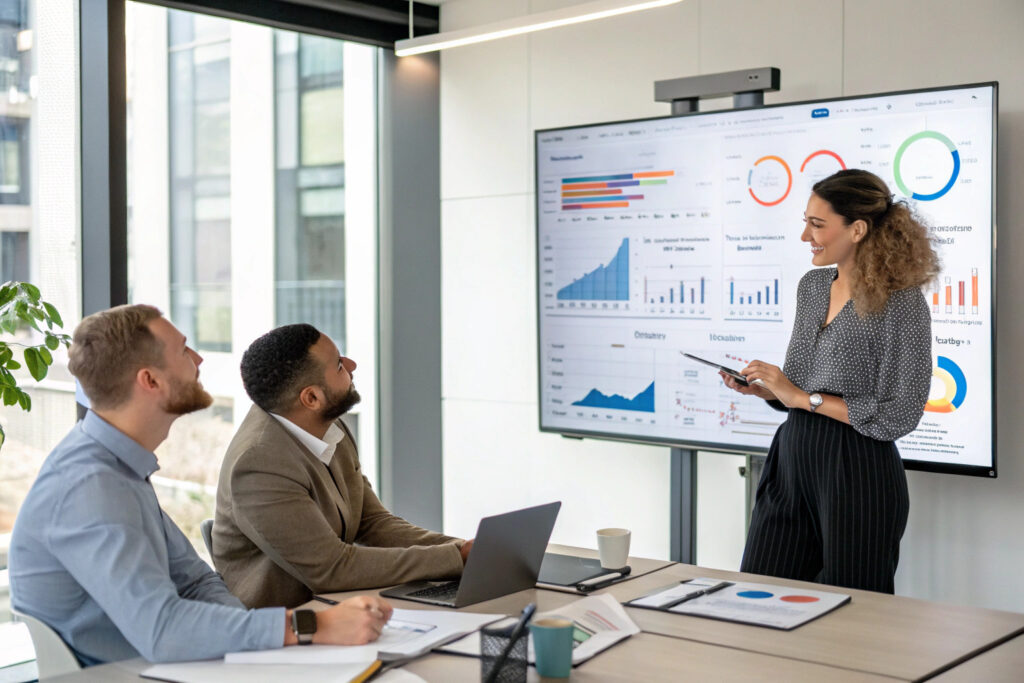
The primary financial benefit is a reduction in virgin material purchases. While there are costs for collection, logistics, and processing, the recycled resin you produce internally or sell to a partner offsets the need to buy new plastic. This creates a buffer against volatile raw material prices. Furthermore, it can unlock new market segments—many large corporations and governments now have sustainability procurement policies that favor products with recycled content. It also builds brand loyalty among environmentally conscious consumers.
What Is the Measurable Environmental Benefit?
The impact is significant. Producing recycled polypropylene requires far less energy and water than manufacturing virgin plastic from fossil fuels. It also keeps plastic out of landfills and oceans. You can quantify this benefit through a Life Cycle Assessment (LCA). An LCA, following standards like ISO 14044, will provide concrete data on your program's carbon emission savings, water conservation, and waste diversion. This data is powerful for marketing, annual sustainability reports, and communicating your commitment to stakeholders.
How Do I Build Partnerships and Ensure Success?
You don't have to build this entire system alone. Strategic partnerships are often the fastest path to a functioning closed-loop model.
Who Are the Key Partners in a Closed-Loop System?
- Waste Management/Recycling Specialists: Partner with a company that has the expertise and infrastructure for collection, sterilization, and mechanical recycling. They can handle the complex operational backend.
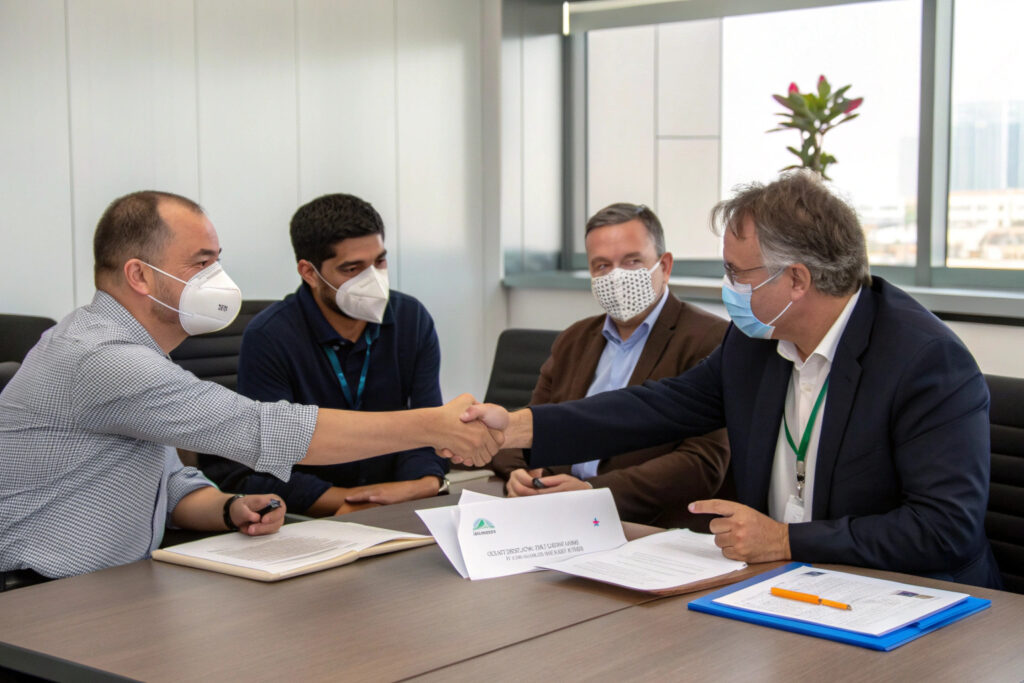
- Corporate Clients: Large buyers of masks (hospitals, universities, factories) are ideal partners. They generate consistent volumes of used masks and are often eager to improve their own sustainability metrics. You can co-design a take-back program with them.
- Retailers: Stores that sell your masks can serve as convenient return points for consumers, enhancing their customer experience.
How Do I Start and Scale the Program?
Start with a pilot. Choose a single, controllable environment—like your own corporate offices or a partnered university campus. Run the full cycle: collect, process, and produce a limited batch of masks with recycled content from that specific stream. Measure everything: participation rates, collection weight, processing costs, and material quality. Use the lessons and data from the pilot to refine the model before expanding to more locations and partners. Transparency about the process and its results, perhaps through QR codes on new masks linking to the story of their recycled content, builds trust and engagement.
Conclusion
Implementing closed-loop recycling for end-of-life masks is a comprehensive strategy that turns an environmental problem into an engine for innovation, cost savings, and brand strength. It requires careful planning in collection, investment in or partnership for processing technology, and a commitment to redesigning products for circularity. The journey starts with a single step—designing a simple take-back system—and scales into a robust circular ecosystem.
Ready to start building your closed-loop system and transform your mask sustainability? Contact our Business Director, Elaine, at elaine@fumaoclothing.com to discuss how we can help you design and implement a tailored recycling program, from take-back logistics to integrating high-quality recycled content into your next mask order. Let's create a circular future together.