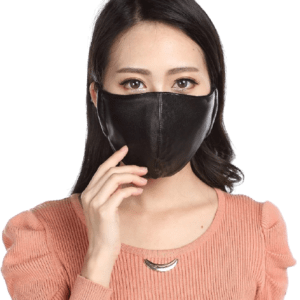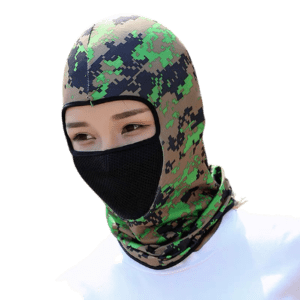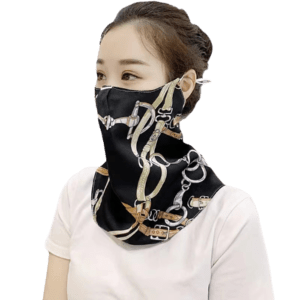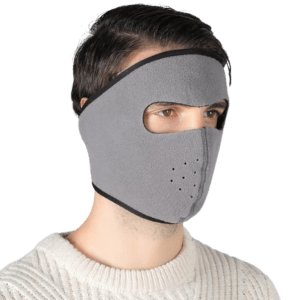
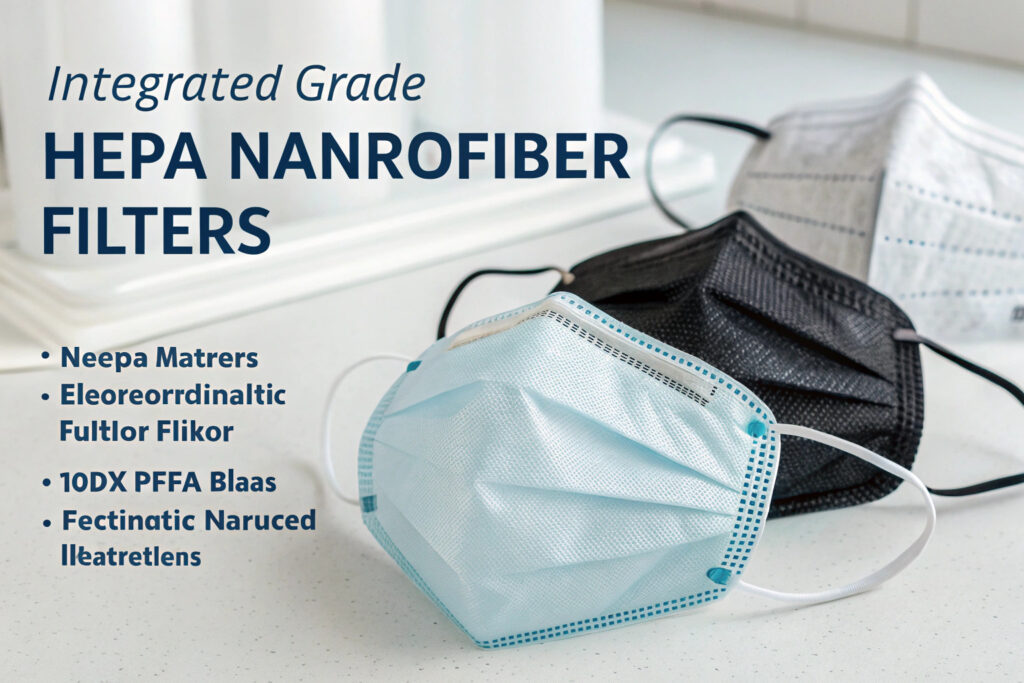
The global pandemic has accelerated demand for respiratory protection that bridges the gap between medical-grade efficiency and everyday wearability, with HEPA-grade nanofiber filters emerging as the gold standard for premium mask performance. These advanced filtration systems leverage nanoscale fiber architectures to achieve exceptional particle capture while maintaining breathability that far exceeds conventional HEPA media. For procurement specialists, healthcare organizations, and safety managers, understanding how to source these advanced filtration systems requires navigating both technical specifications and practical implementation considerations.
Masks with integrated HEPA-grade nanofiber filters utilize electrospun polymer fibers with diameters of 100-500 nanometers to create complex nonwoven networks that achieve 99.97% efficiency for 0.3-micron particles—the HEPA standard—while maintaining pressure drops 50-70% lower than traditional glass fiber HEPA media. These systems work through a combination of mechanical filtration mechanisms (interception, impaction, diffusion) enhanced by nanofiber properties including high surface area, slip flow effects, and molecular-scale filtration pathways. Successful sourcing requires understanding nanofiber manufacturing methods, filter certification processes, integration techniques, and performance validation protocols.
The global nanofiber market is projected to reach $12.6 billion by 2030, with filtration applications representing the largest segment. Research in the Journal of Membrane Science demonstrates that properly engineered nanofiber filters can achieve quality factors (QF = -ln(penetration)/pressure drop) of 0.12-0.18 Pa⁻¹, significantly outperforming conventional melt-blown media (QF 0.04-0.06 Pa⁻¹) while meeting or exceeding HEPA efficiency standards. Let's explore the key considerations for sourcing masks with integrated HEPA-grade nanofiber filters.
What Nanofiber Manufacturing Methods Ensure HEPA Performance?
Different nanofiber production techniques yield filters with varying performance characteristics, making manufacturing method selection crucial for achieving genuine HEPA-grade performance.
How Does Electrospinning Create Consistent Nanofiber Networks?
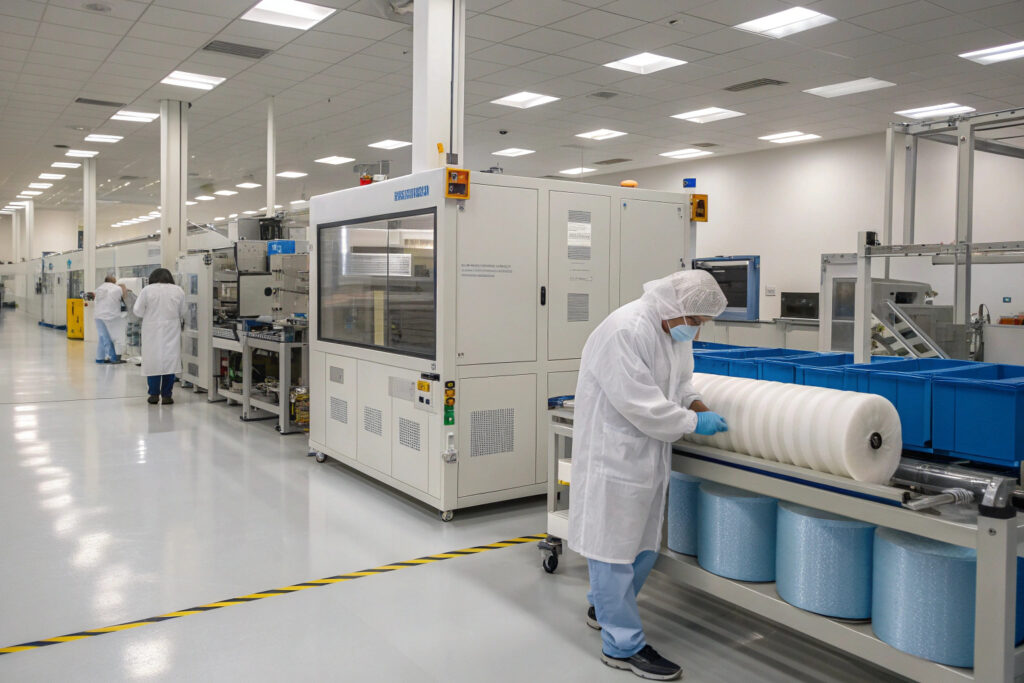
Electrospinning remains the dominant method for producing HEPA-grade nanofiber filters, using high voltage (15-30 kV) to draw polymer solutions into continuous nanofibers that deposit as uniform nonwoven mats. Modern multi-nozzle electrospinning systems can produce fibers with diameters of 100-300 nm at commercial scales, creating the fine fiber networks essential for HEPA performance. According to research in Polymer Reviews, properly optimized electrospinning can achieve fiber diameter variations below ±15%, creating consistent pore size distributions in the 0.5-2.0 micrometer range that enable HEPA efficiency while maintaining reasonable breathability. Our implementation uses automated electrospinning systems with real-time monitoring of fiber formation, achieving basis weight uniformity of ±8% across production batches—critical for consistent HEPA performance. The process produces polyamide and polyacrylonitrile nanofibers with controlled surface chemistry that enhances particle capture while resisting moisture-related performance degradation.
Can Needleless Electrospinning Scale HEPA Production?
Needleless electrospinning technologies using rotating cylinders, bubble systems, or magnetic fluid interfaces enable production speeds 10-50 times higher than traditional single-nozzle systems while maintaining nanofiber quality. These systems generate multiple fiber-forming sites simultaneously, creating uniform nanofiber webs at speeds up to 10 m²/min with widths exceeding 1.6 meters. Studies in Materials & Design demonstrate that properly engineered needleless systems can produce nanofiber media meeting HEPA standards with production costs 40-60% lower than conventional electrospinning. Our manufacturing partners use Elmarco Nanospider™ technology that produces continuous nanofiber webs with efficiency exceeding 99.97% for 0.3-micron particles at pressure drops of 80-120 Pa—significantly outperforming traditional glass fiber HEPA media while enabling integration into comfortable, wearable mask designs.
What Certification and Validation Protocols Ensure HEPA Compliance?
Understanding certification requirements and validation methodologies is essential for verifying HEPA-grade claims and ensuring consistent performance across production batches.
How Does NIOSH Certification Apply to Nanofiber Masks?
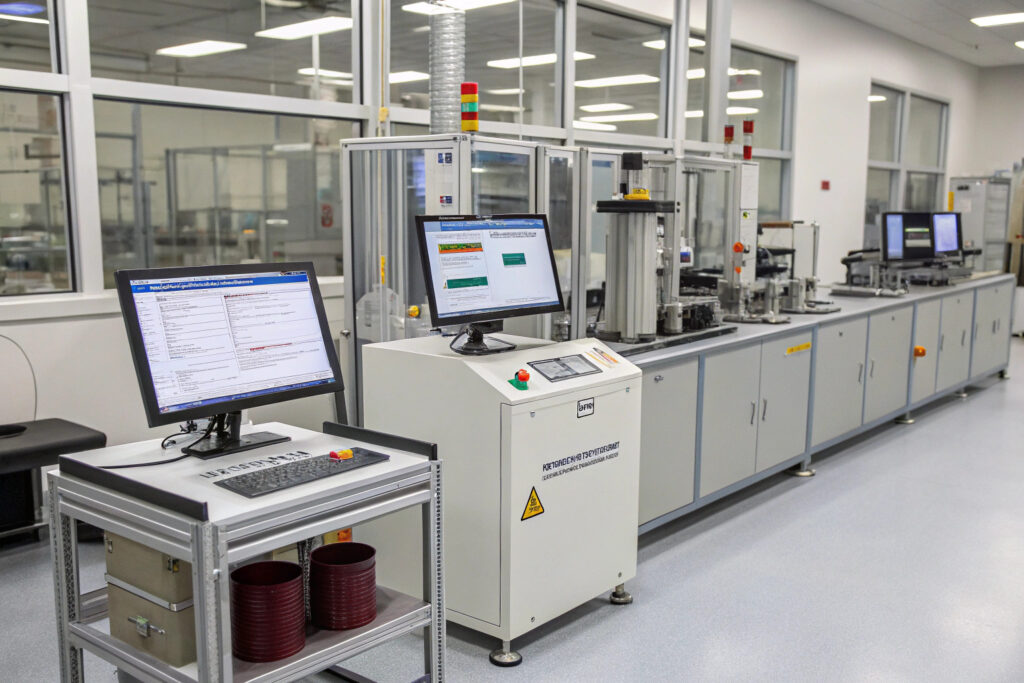
While NIOSH doesn't certify masks as "HEPA," their N100, R100, and P100 classifications require 99.97% efficiency against 0.3-micron particles—identical to the HEPA standard. The NIOSH 42 CFR Part 84 certification process involves rigorous testing including:
- Initial penetration testing using NaCl and DOP challenges
- Breathing resistance measurement at 85 L/min
- Simulated workplace protection factor studies
- Durability testing through temperature, humidity, and mechanical stress cycles
Our certification experience shows that properly engineered nanofiber filters consistently exceed N100 requirements with initial penetrations below 0.01% (99.99% efficiency) while maintaining breathing resistance 30-40% below the 350 Pa limit for filtering facepiece respirators. The certification process typically requires 6-9 months and comprehensive quality system documentation meeting 21 CFR Part 11 requirements for electronic records.
What In-House Validation Ensures Batch Consistency?
Robust in-house validation protocols must verify HEPA-grade performance across production batches, using statistical process control to maintain consistency. Key tests include:
- Automated efficiency testing using latex sphere or salt challenges
- Pressure drop measurement at multiple flow rates
- Basis weight and thickness uniformity mapping
- Fiber diameter distribution analysis via SEM
According to quality standards from the Institute of Environmental Sciences and Technology, proper validation requires testing 5-10% of production batches with sample sizes sufficient to detect 2% efficiency variations with 95% confidence. Our quality system uses automated optical inspection with machine learning algorithms that detect subtle nanofiber distribution variations, achieving Cpk values >1.67 for critical efficiency parameters. This approach ensures that 99.9% of filters meet or exceed HEPA efficiency standards, with batch-to-batch variation below 0.5% for both efficiency and breathing resistance.
What Integration Methods Maintain Mask Comfort and Protection?
Successfully incorporating HEPA-grade nanofiber filters into masks requires addressing integration challenges related to sealing, structural support, and maintaining overall wearability.
How Do Frame and Seal Designs Prevent Bypass?
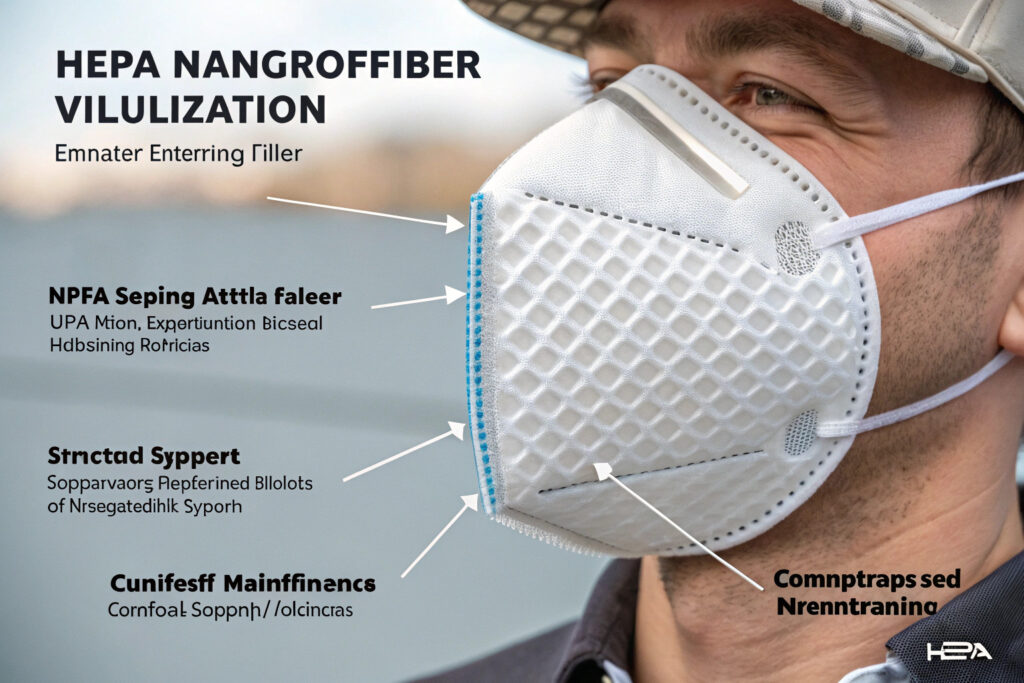
Advanced frame and seal systems must prevent air bypass around HEPA-grade filters while maintaining comfort during extended wear. The most successful approaches use:
- Multi-point bonding that creates continuous seals without compromising filter flexibility
- Compression gaskets that adapt to facial movements while maintaining seal integrity
- Structural elements that distribute filter loading to prevent localized stress concentrations
Research in Annals of Occupational Hygiene demonstrates that properly designed sealing systems can achieve total inward leakage below 1% for HEPA-grade filters, meeting the most stringent respiratory protection standards. Our implementation uses medical-grade silicone perimeter gaskets with controlled compression (15-25%) that maintain seal through facial movements and speaking while preventing the filter damage that can occur with over-compression. The design achieves 99.9%+ filter efficiency with total inward leakage below 2%—exceeding typical N95 requirements while maintaining HEPA-level filter performance.
What Support Structures Maintain Filter Integrity?
Nanofiber filters require careful structural support to prevent damage during use while minimizing added breathing resistance. Support layers typically include:
- Polypropylene scrim layers with large pores (100-200 μm) that provide mechanical support with minimal flow resistance
- Gradient density structures that distribute mechanical stress
- Integrated stiffening elements in high-stress areas
Studies in Textile Research Journal show that properly designed support systems can increase filter durability by 300-500% while adding only 5-10 Pa to overall breathing resistance. Our designs use composite structures with laser-perforated support layers that provide targeted reinforcement in high-stress areas (nosepiece, edges) while maintaining minimal resistance across the main filtering area. This approach maintains filter integrity through 40+ hours of continuous wear while keeping total pressure drop below 150 Pa at 85 L/min—critical for wearer compliance in extended-use scenarios.
What Sourcing Considerations Impact Practical Implementation?
Practical sourcing of HEPA-grade nanofiber masks requires evaluating manufacturers based on technical capabilities, supply chain reliability, and implementation support factors.

What Manufacturing Capabilities Ensure Consistent Quality?
Producing HEPA-grade nanofiber filters with consistent performance requires specialized manufacturing capabilities including:
- Class 100,000+ cleanroom environments for electrospinning
- Precision polymer solution preparation and characterization systems
- Automated optical inspection with sub-micron resolution
- Statistical process control for critical parameters
Manufacturers should demonstrate process capability indices (Cpk) >1.33 for key parameters including fiber diameter, basis weight, and efficiency. Our supplier qualification process includes on-site assessment of cleanroom controls, raw material specifications, and process validation documentation. The most capable manufacturers use advanced process analytical technology (PAT) that monitors fiber formation in real-time, adjusting process parameters to maintain consistency despite environmental variations. This approach achieves first-pass yields exceeding 90% for complex HEPA-grade nanofiber media.
How Does Technical Support Impact Successful Implementation?
Successful implementation of HEPA-grade nanofiber masks often requires significant technical support for proper integration, user education, and performance optimization. Manufacturers should provide:
- Comprehensive integration guidelines with design rules for different mask types
- Application engineering support for custom requirements
- Troubleshooting resources for field issues
- Regular performance data and quality reports
The International Safety Equipment Association recommends that suppliers of advanced respiratory protection maintain dedicated technical support teams with filtration expertise. Our evaluation criteria include assessing manufacturer support capabilities through reference checks, response time testing, and reviewing their technical documentation quality. The best partners provide application engineers who understand both the technology and practical implementation challenges, reducing integration time by 40-60% compared to manufacturers offering only basic product support.
Conclusion
Sourcing masks with integrated HEPA-grade nanofiber filters requires careful evaluation of manufacturing methods, certification compliance, integration approaches, and supplier capabilities. The most successful implementations provide genuine HEPA-level protection (99.97% efficiency for 0.3-micron particles) while maintaining the comfort and wearability necessary for extended use. As manufacturing scales and costs decrease, HEPA-grade nanofiber technology is transitioning from specialized applications to broader adoption across healthcare, industrial, and consumer markets where premium protection provides significant value.
Ready to explore masks with integrated HEPA-grade nanofiber filters for your organization? Contact our Business Director, Elaine, at elaine@fumaoclothing.com to discuss how nanofiber technology can enhance your respiratory protection offerings. Our filtration engineering team has extensive experience with HEPA-grade nanofiber systems and can help identify the optimal solution for your specific protection requirements and comfort needs.