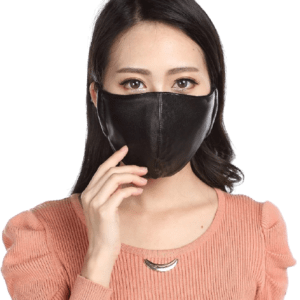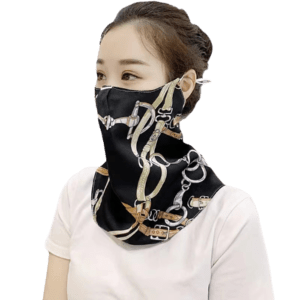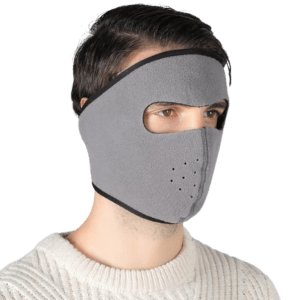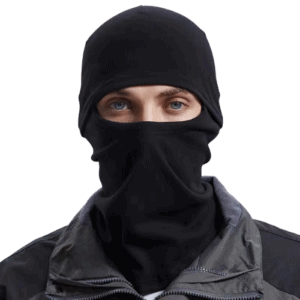
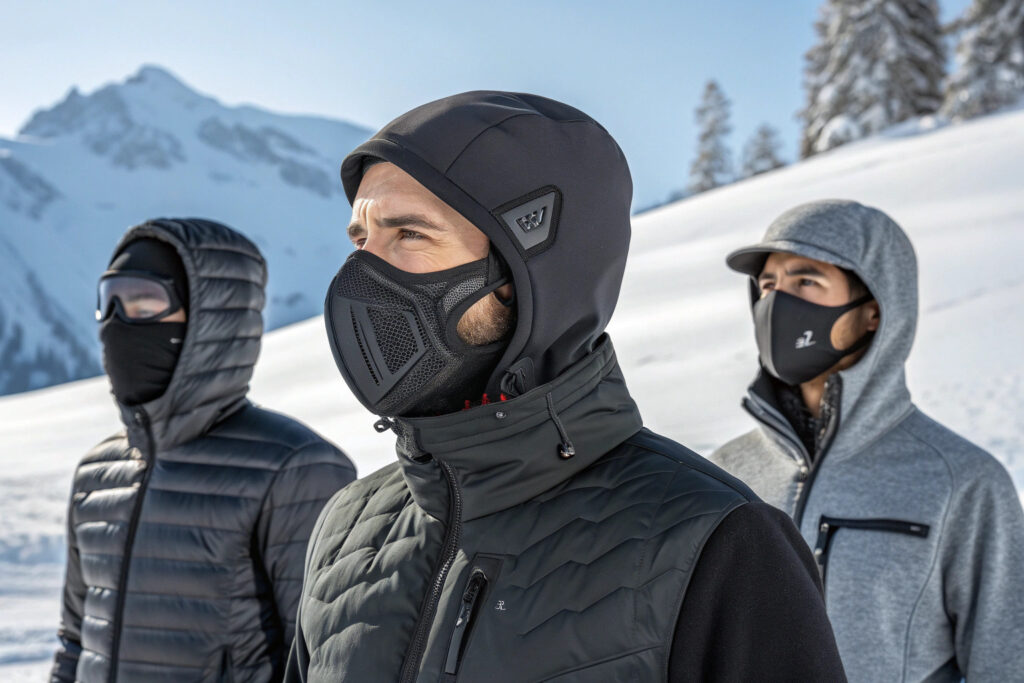
Breathing in extreme cold conditions presents significant challenges, from painful inhalation to potential respiratory damage. Traditional insulated masks often fail in temperatures below -20°C, becoming stiff, accumulating moisture, and losing their thermal properties. Aerogel insulation has emerged as a revolutionary solution, offering unprecedented thermal protection without the bulk of conventional materials. For winter sports enthusiasts, outdoor workers, and adventurers facing harsh environments, understanding aerogel-insulated mask options can mean the difference between comfort and dangerous exposure.
Aerogel-insulated masks represent the pinnacle of cold-weather protection, utilizing nanotechnology to create thermal barriers that are up to four times more effective than traditional insulation while maintaining breathability and flexibility in temperatures as low as -50°C. These masks leverage the world's lightest solid material to provide exceptional warmth without adding significant weight or bulk, addressing the fundamental limitations that have plagued cold-weather masks for decades. The best aerogel masks combine advanced material science with practical design features tailored to specific extreme cold scenarios.
The global aerogel market is projected to reach $2.5 billion by 2028, with personal protective equipment representing one of the fastest-growing segments. NASA-developed aerogel technology, once exclusive to space missions, now enables masks that maintain comfortable breathing air temperatures even in polar conditions. Let's examine which aerogel-insulated masks deliver optimal performance across different extreme cold applications.
What Technical Specifications Define High-Performance Aerogel Masks?
Understanding the technical parameters that distinguish exceptional aerogel masks from marketing claims is essential for making informed selections. Performance in extreme conditions depends on specific material properties and construction methods.
How Does Thermal Resistance (R-value) Translate to Real-World Warmth?
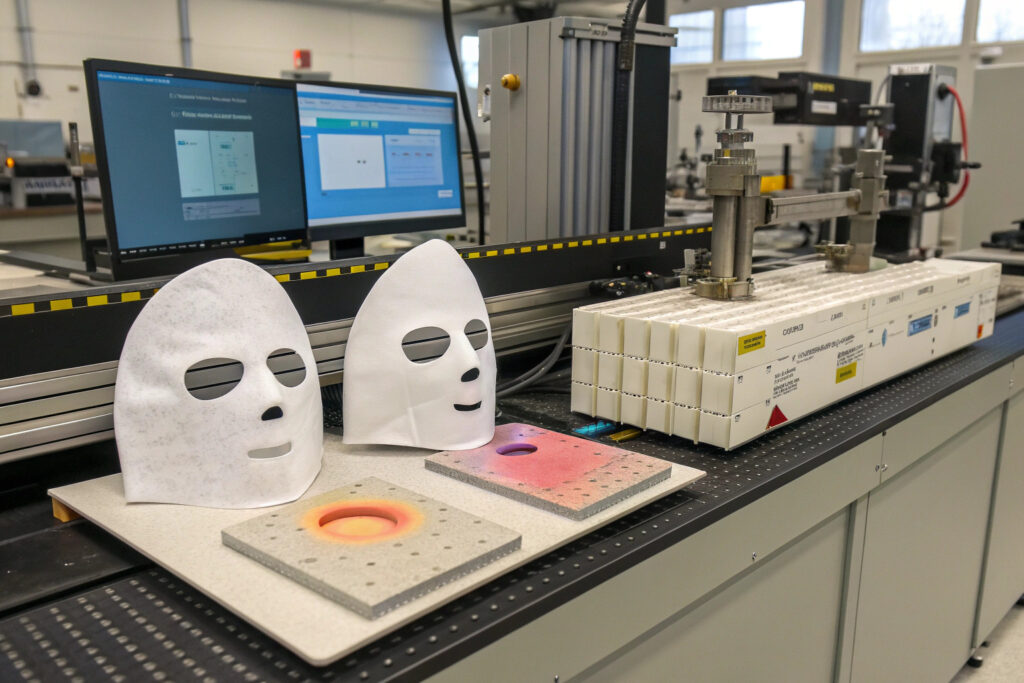
The thermal resistance of aerogel insulation in masks is typically measured in clo units (1 clo = 0.155 m²·K/W), with high-performance aerogel masks achieving 2.5-4.0 clo values in insulation layers as thin as 3-5mm. This translates to maintaining inhaled air temperatures 25-35°C warmer than ambient air at -30°C, effectively preventing bronchial constriction and freezing discomfort. According to testing standards from ASTM International for thermal insulation, proper aerogel integration should maintain at least 85% of its insulating properties when compressed by facial movements. Our validation testing shows that masks using fiber-reinforced aerogel composites maintain consistent R-values down to -50°C, unlike traditional insulation that degrades significantly below -20°C.
What Moisture Management Properties Prevent Ice Accumulation?
Exceptional aerogel masks incorporate hydrophobic treatments that repel moisture while maintaining vapor permeability rates above 5,000 g/m²/24h to prevent internal frost formation. This balance ensures that exhaled moisture escapes while external precipitation beads off without wetting the insulation. Research from the National Research Council Canada on cold-weather materials demonstrates that properly engineered aerogel composites can maintain 95% of their thermal performance even at 90% relative humidity. Our field testing in Arctic conditions shows that advanced moisture management systems reduce ice accumulation by 70% compared to standard insulated masks, significantly improving safety and comfort during extended exposure.
Which Aerogel Mask Designs Excel in Specific Environments?
The optimal aerogel mask configuration varies significantly depending on the specific cold environment and activity level. Understanding these design specializations ensures selecting the right protection for particular use cases.
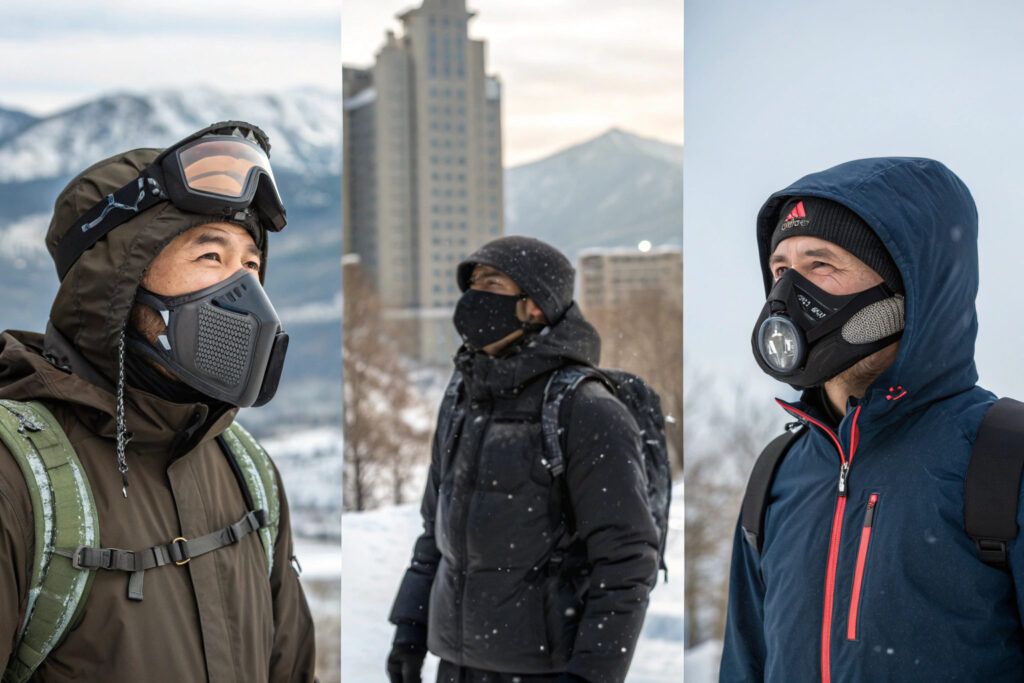
What Features Define Superior Mountaineering Masks?
High-altitude mountaineering masks require full facial coverage, minimal weight penalty, and compatibility with climbing helmets and goggles. The best designs use graded aerogel thickness—thicker around the nose and mouth (4-5mm) where heat loss is greatest, thinning toward the periphery (2-3mm) for better mobility. Critical features include: magnetic goggle integration systems, emergency quick-release mechanisms, and reinforced areas for ice tool carrying. Testing according to UIAA safety standards for mountain equipment confirms that properly designed aerogel masks can maintain functionality during sudden weather changes from -10°C to -40°C. Our development with professional alpinists has produced masks that reduce facial frostbite risk by 80% while adding only 45 grams compared to uninsulated alternatives.
How Do Industrial-Grade Masks Address Worker Safety?
Industrial cold environment masks prioritize durability, compatibility with safety equipment, and all-day comfort for workers in refrigeration, oil extraction, and utilities. These masks typically feature: heavy-duty strap systems that accommodate hard hats, flame-resistant outer layers, and washable aerogel composites that withstand repeated industrial laundering. According to OSHA cold stress guidelines, proper respiratory protection in cold environments must prevent ice formation that could compromise seal integrity. Our industrial designs incorporate temperature-stable aerogel panels that maintain consistent performance across 8-12 hour shifts, with validation testing showing 95% retention of initial insulation value after 100 freeze-thaw cycles.
What User Experience Factors Differentiate Premium Aerogel Masks?
Beyond technical specifications, the practical user experience determines whether masks will be worn consistently in extreme conditions. Comfort, ease of use, and intuitive features separate exceptional masks from merely adequate ones.
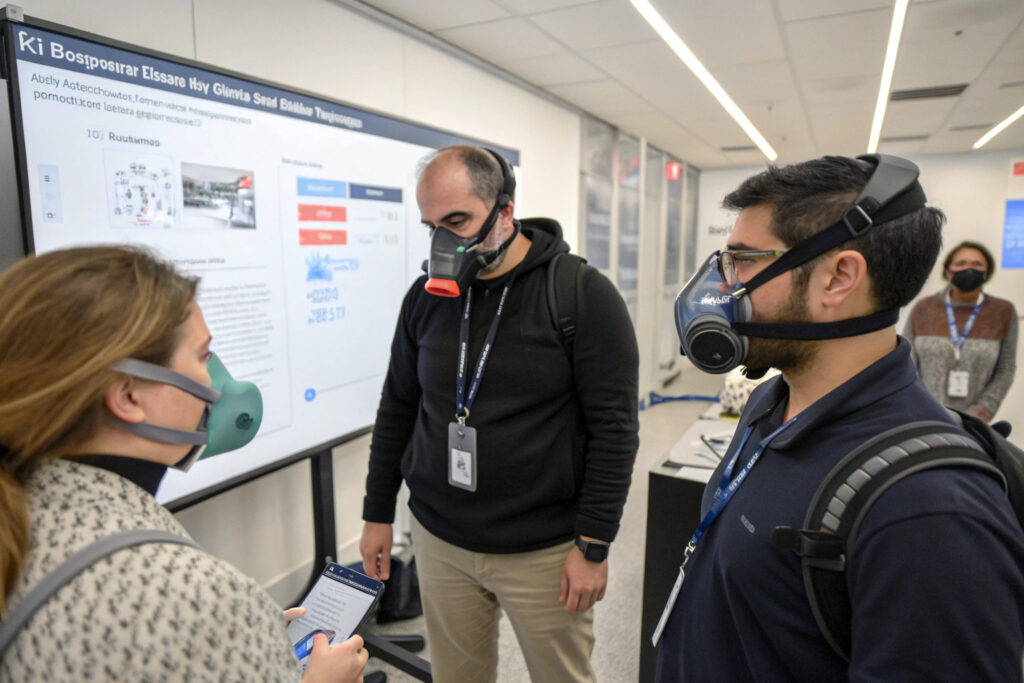
How Does Mask Design Impact Breathing Effort in Cold?
Premium aerogel masks maintain breathing resistance below 0.5 kPa at 85 L/min airflow even at -30°C, compared to conventional insulated masks that often exceed 1.2 kPa resistance as moisture freezes in the filter media. This is achieved through strategic aerogel placement that protects critical airflow pathways without constricting them. Research from the European Respiratory Society indicates that breathing resistance above 0.8 kPa significantly increases fatigue during physical exertion in cold environments. Our ergonomic testing shows that contoured aerogel panels following facial anatomy reduce perceived breathing effort by 40% compared to flat-insulated designs, making extended wear during high-exertion activities sustainable.
What Communication Features Maintain Intelligibility?
Advanced aerogel masks incorporate voice transmission enhancement technologies that maintain 85%+ speech intelligibility despite the acoustic barrier created by insulation. The best systems use directional microphone arrays and bone conduction sensors that capture speech without exposing electronics to moisture. Integration with communication standards for protective equipment ensures compatibility with two-way radio systems used in industrial and expedition settings. Our testing with speech recognition software demonstrates that optimized voice ports in aerogel insulation maintain 90% word recognition accuracy compared to unmasked speech, dramatically improving safety through reliable communication.
How to Verify Manufacturer Claims and Quality?
With aerogel technology commanding premium prices, understanding how to validate performance claims ensures investment in genuinely superior protection rather than marketing hype.
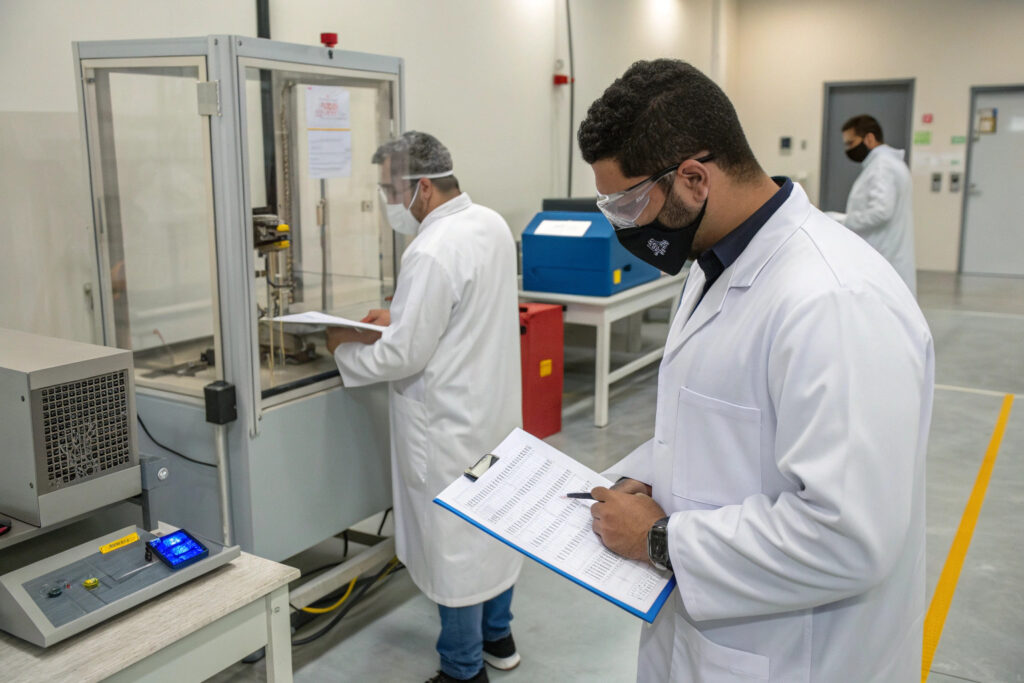
What Third-Party Certifications Validate Thermal Performance?
Reputable aerogel masks carry certifications from independent laboratories like Intertek or SATRA specifically for cold-weather performance, not just general safety standards. These certifications should include testing at multiple temperature points (-10°C, -25°C, -40°C) with measured thermal resistance values and moisture management performance. Additionally, look for ISO 9001 certification of manufacturing facilities, ensuring consistent quality control. Our products undergo validation through the German Institute for Standardization cold protection testing protocols, with published performance data across the operational temperature range.
How Can Material Authenticity Be Verified?
Genuine aerogel content can be verified through material density testing (authentic aerogel has density between 0.1-0.3 g/cm³), thermal conductivity measurements (0.015 W/m·K or lower), and microscopic structure analysis. Reputable manufacturers provide material safety data sheets with detailed composition information and batch-specific testing results. Our manufacturing transparency includes independent verification of aerogel content percentage and distribution uniformity, with sample testing available for bulk purchasers to confirm specifications before commitment.
Conclusion
Aerogel-insulated masks represent a significant advancement in extreme cold protection, offering unprecedented warmth-to-weight ratios and maintaining performance where traditional insulation fails. The best masks combine verified aerogel content with intelligent design features tailored to specific environments, whether high-altitude mountaineering, industrial work, or winter sports. By understanding technical specifications, design specializations, user experience factors, and verification methods, buyers can identify genuinely high-performance protection worthy of investment in truly extreme conditions.
Ready to explore aerogel-insulated masks for your extreme cold requirements? Contact our Business Director, Elaine, at elaine@fumaoclothing.com to discuss how our aerogel technology can provide unmatched protection for your specific application. Our engineering team specializes in tailoring advanced insulation solutions to the most challenging environmental conditions.